Intermediate Bodies Are the Enemy of the Populist Regime
The article argues that Kais Saied’s hostility to independent bodies, unions, parties, media, and civil society is not incidental but central to a populist project that concentrates power while hollowing out democratic mediation.
في العام 2012 قال الرئيس الفرنسي الأسبق، اليميني المعادي للمهاجرين، نيكولا ساركوزي خلال حملته الانتخابية، ”على مدى خمس سنوات استطعت قياس قوة الأجسام الوسيطة التي تتدخل أحيانا بين الشعب وأعلى مستويات الحكم، والتي غالبا ما تدّعي التحدث باسم الشعب، والتي في الحقيقة تصادر صوته. ليس مواطنونا من يقاومون الإصلاحات، بل الهيئات الوسيطة التي لا تعشق شيئًا سوى التقاعس عن العمل“. في العام ذاته، كشف موقع ميديا بارت قضية فساد تعود إلى سباق الانتخابات الرئاسية الفرنسية لسنة 2007، حينها تسلم ساركوزي 50 مليون أورو من الرئيس الليبي الراحل معمر القذافي، لتعقبها قضية فساد أخرى في العام 2014، اتهم فيها ساركوزي بمحاولة التأثير في قرار قضائي.
In 2012, during his election campaign, the former French president, the anti-immigrant right-winger Nicolas Sarkozy, declared: “Over five years I have been able to measure the power of the intermediary bodies that sometimes insert themselves between the people and the highest levels of government, that often claim to speak in the people’s name, and that in truth confiscate its voice. It is not our citizens who resist reforms, but the intermediary institutions, which love nothing so much as idleness.” That same year, Mediapart revealed a corruption case dating back to the 2007 French presidential race, when Sarkozy received 50 million euros from the late Libyan president Muammar Gaddafi. It was followed by another corruption case in 2014, in which Sarkozy was accused of trying to influence a judicial decision.
يذكّر هذا الخطاب المخاتل، بعقيدة سياسية انتشرت على مدى ما يقارب القرن في شرق العالم وغربه، تدور في فلكه إلى غاية الآن، سياسات أنظمة وحكومات من بينها تونس تتأرجح بين اليمين الشعبوي وأقصى اليمين العنصري، التي تمثل الجمعيات والنقابات الخارجة عن فلكها تهديدا حقيقيا لسطوة خطابها المخادع على الفئات الأقل تعليما وثقافة، والتي تمثل لها خزانا انتخابيا طيّعا.
This deceptive discourse recalls a political doctrine that has spread for nearly a century across East and West alike, and around which the policies of regimes and governments, Tunisia among them, still revolve: policies oscillating between populist right and racist far right, for which associations and unions outside their orbit represent a real threat to the sway of their misleading discourse over the least educated and least culturally equipped groups, which serve as a pliant electoral reservoir.
Intermediate Bodies Are the Enemy of the Populist Regimeالأجسام الوسيطة عدو النظام الشعبوي
لا يمكن تفكيك سياسة السلطة التي يمثلها بالكامل الرئيس قيس سعيد، تجاه الأجسام المشاركة جزئيا في اتجاهات السلطة والمعروفة باسم الأجسام الوسيطة، دون فهم كامل لتصور سعيّد ذاته للسلطة. في الواقع، لم يخف الرئيس التونسي، منذ دخوله سباق الانتخابات الرئاسية للعام 2019، تصوره العام للحكم، قبل أن يبدأ فعليا بتجسيد ذلك التصور منتصف العام 2021.، لذلك ليس من المنطقي أن يستغرب متابعو الشأن العام كل خطوة يقوم بها سعيّد في اتجاه إزاحة الأجسام الوسيطة. في أواخر ذلك العام، توضّحت اتجاهات الرئيس التونسي بعد إصدار المرسوم عدد 117، خاصة في فصليه الخامس والتاسع، حيث أعطى الفصلان صلاحيات مطلقة للرئيس بعد تعليق عمل البرلمان.
The policy pursued by the authority embodied entirely by President Kais Saied toward the bodies that partly participate in shaping the directions of power, known as intermediary bodies, cannot be dismantled without fully understanding Saied’s own conception of power. In reality, the Tunisian president has not concealed, since entering the 2019 presidential race, his general conception of rule, before he actually began to give that conception concrete form in mid-2021. It is therefore illogical for observers of public affairs to be surprised by every step Saied takes toward removing intermediary bodies. Late that year, the Tunisian president’s orientations became clear after the issuance of Decree No. 117, especially Articles 5 and 9, which granted the president absolute powers after the suspension of parliament.
لم يأت رفض الرئيس قيس سعيّد للأجسام الوسيطة من فراغ، فهو يتنزّل ضمن إيديولوجيا شعبوية أصبحت منذ بدايات القرن العشرين تيارا سياسيا ينتعش في ظلّ الأزمات الاقتصادية والسياسية الحادة، بدأ ظهورها في العقد الأخير من القرن التاسع عشر مع حزب الشعب الأمريكي الذي تشكّل بعد تحالف المزارعين وحزب ”النقود الورقية“ greenback، لكنها فشلت في الصعود للحكم، قبل أن تنتعش في العقدين الثاني والثالث من القرن العشرين بعد الأزمة الاقتصادية العالمية آنذاك، وتجسدت في صعود الأحزاب الفاشية المتفردة بالسلطة.
President Kais Saied’s rejection of intermediary bodies did not come from nowhere. It belongs within a populist ideology that, since the early twentieth century, has become a political current that thrives amid acute economic and political crises. Its first emergence came in the final decade of the nineteenth century with the American People’s Party, formed after the alliance between farmers and the Greenback Party, though it failed to rise to power. It then revived in the second and third decades of the twentieth century after the global economic crisis of that period, and took shape in the ascent of fascist parties monopolizing power.
يقول هشام السنوسي عضو سابق في الهيئة العليا المستقلة للاتصال السمعي والبصري في تصريح لنواة:
Hichem Snoussi, a former member of the Independent High Authority for Audiovisual Communication, told Nawaat:
لا بد من تأصيل مفهوم الوساطة في الدولة الحديثة، فهو مرافق لمفهوم الديمقراطية الحديثة، والديمقراطية الحديثة هي تجاوز للكوارث التي جاءت بها صناديق الاقتراع قبل الحرب العالمية الثانية. يجب الا ننسى ان هتلر صعد إلى الحكم بعد انتخابات شفافة لكن باعتبار تسلطه أصبح الحاكم بأمره، كانت نتائج حكمه كارثية على العالم.
The concept of mediation in the modern state must be rooted historically. It accompanies the concept of modern democracy, and modern democracy is a transcendence of the catastrophes produced by ballot boxes before the Second World War. We must not forget that Hitler rose to power after transparent elections, but because of his authoritarian domination he became the ruler by command. The consequences of his rule were catastrophic for the world.
في حالة تونس تمثّل الأجسام الوسيطة، وهي الهيئات المستقلة والمنظمات غير الحكومية والإعلام والأحزاب وغيرها، إحدى دعائم الديمقراطية التمثيلية، خلال الأزمات التي تعيشها أنظمة الحكم التي تحكم ضمن الديمقراطية التمثيلية والمتمثلة أساسا في الإخلالات الوظيفية للديمقراطية، تُولد فرصة ثمينة للتيار الشعبوي الذي غالبا ما يؤدي صعوده إلى تحميل وزر الفشل لنظام الحكم الذي سبقه ثم يوسّع دائرة سخطه على الأجسام الوسيطة التي لا تكون مشاركة فعليّا في الحكم.
In Tunisia’s case, intermediary bodies, namely independent authorities, non-governmental organizations, the media, parties, and others, constitute one of the pillars of representative democracy. During the crises experienced by systems of rule operating within representative democracy, crises that consist above all in democracy’s functional disruptions, a precious opportunity is born for the populist current, whose rise often leads it to lay the burden of failure on the system of government that preceded it, then to widen the circle of its anger to include intermediary bodies that are not in fact participants in rule.
يذكر الباحث بيير روزانفالون في كتابه ”قرن الشعبوية: التاريخ والنظرية والنقد“ أن:
The researcher Pierre Rosanvallon states in his book The Populist Century: History, Theory, Critique that:
العناصر الخمسة المكونة للثقافة السياسية الشعبوية هي: مفهوم الشعب ونظرية الديمقراطية وأسلوب التمثيل وسياسة وفلسفة الاقتصاد ونظام العواطف والمشاعر. ويُعدّ مفهوم الشعب، القائم على التمييز بين هم ونحن، العنصر الأكثر تحليلا. أما النظرية الشعبوية للديمقراطية، فتستند إلى ثلاثة عناصر وهي: تفضيل الديمقراطية المباشرة المتمثلة في تقديس الاستفتاء، ورؤية استقطابية وانتخابية مفرطة للسيادة الشعبية ترفض الهيئات الوسيطة وتسعى إلى تدجين المؤسسات غير المنتخبة مثل المحاكم الدستورية والسلطات المستقلة، وفهم الإرادة العامة باعتبارها قادرة على التعبير عن نفسها بشكل تلقائي. إن أكثر الانتقادات السياسية شيوعا للشعبوية هو وصفها باللاتحررية، أي نزعتها إلى إعطاء أولوية ثانوية لتوسيع الحقوق الفردية ذات البعد المجتمعي مقارنةً بتأكيد السيادة الجماعية، وفي الوقت نفسه توجيه الاتهام إلى الهيئات الوسيطة باعتبارها تعرقل عمل السلطات المنتخبة.
The five elements that make up populist political culture are: a concept of the people, a theory of democracy, a mode of representation, a policy and philosophy of the economy, and a regime of passions and emotions. The concept of the people, based on the distinction between “them” and “us,” is the element most frequently analyzed. As for the populist theory of democracy, it rests on three elements: a preference for direct democracy, embodied in the sacralization of the referendum; an excessively polarizing and electoral vision of popular sovereignty that rejects intermediary bodies and seeks to domesticate unelected institutions such as constitutional courts and independent authorities; and an understanding of the general will as capable of expressing itself spontaneously. The most common political criticism of populism is to describe it as illiberal, that is, as tending to give secondary priority to the expansion of individual rights with a societal dimension when compared with the affirmation of collective sovereignty, while at the same time accusing intermediary bodies of obstructing the work of elected authorities.
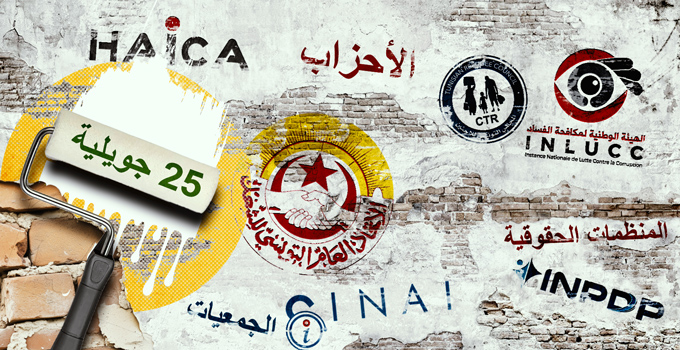
ينسحب هذا التعريف بالكامل على الوضع في تونس، فبعد شهر تقريبا من إعلان الرئيس قيس سعيد تجميد البرلمان يوم 25 جويلية، قررّ إغلاق كل مقرات الهيئة الوطنية لمكافحة الفساد والتحفظ على ملفاتها، ومثل إغلاقها رفع غطاء الحماية الذي تمنحه حصرا الهيئة للمبلّغين عن الفساد. لم تكن هيئة مكافحة الفساد الوحيدة التي استهدفها سعيد ضمن نهجه الرافض للأجسام الوسيطة، ففي ديسمبر 2023، راسل الكاتب العام للحكومة مجلس الهيئة العليا المستقلة للاتصال السمعي والبصري لإعلامهم بتجميد أجورهم بداية من جانفي 2024، وهو ما يعني تجميد مجلسها.
This definition applies entirely to the situation in Tunisia. About a month after President Kais Saied announced the freezing of parliament on July 25, he decided to close all the headquarters of the National Anti-Corruption Authority and seize its files. Its closure amounted to lifting the protective cover that only the authority had granted to whistleblowers on corruption. The Anti-Corruption Authority was not the only body targeted by Saied as part of his approach rejecting intermediary bodies. In December 2023, the secretary-general of the government wrote to the board of the Independent High Authority for Audiovisual Communication to inform them that their salaries would be frozen beginning in January 2024, which meant freezing its board.
يقول هشام السنوسي العضو السابق بالهايكا لنواة:
Hichem Snoussi, the former member of HAICA, told Nawaat:
عندما تم إلغاء دور الهيئة العليا المستقلة للاتصال السمعي والبصري كان ذلك على أساس نبذ سعيد للأجسام الوسيطة لكن السبب الحقيقي وراء ذلك جاء بعد رفض مجلس الهيئة الإمضاء على قرار مشترك مع الهيئة العليا المستقلة للانتخابات سنة 2022 لان الهايكا رأت أن تنظيم الانتخابات في ذلك الشكل لا يستجيب لمعايير الشفافية ولحرية التعبير، راسل مجلس الهيئة رئيس الجمهورية وضمّن في رسالته موقفه من مسار الانتخابات والخوف على المكتسبات التي جاءت بعد الثورة مثل حرية التعبير وانه بقدر ما كان للهيئة موقف من العشرية الماضية ومن أداء الأحزاب بقدر ما تحتفظ بإيجابيات هذه الثورة وعلى رأسها حرية التعبير.
When the role of the Independent High Authority for Audiovisual Communication was abolished, this was done on the basis of Saied’s rejection of intermediary bodies. But the real reason behind it came after the authority’s board refused to sign a joint decision with the Independent High Authority for Elections in 2022, because HAICA believed that organizing elections in that form did not meet the standards of transparency and freedom of expression. The authority’s board wrote to the president of the republic, setting out in its letter its position on the electoral process and its fear for the gains achieved after the revolution, such as freedom of expression. It said that just as the authority had taken a position on the past decade and on the performance of the parties, it also preserved the positive gains of that revolution, foremost among them freedom of expression.
ويضيف السنوسي أنه بتحليل خطاب سعيّد الذي يناصب العداء للأجسام الوسيطة، يتّضح في الواقع أن سعيّد يحاول وضع اليد على كامل مفاصل الدولة وممارسة التسلط، تجسّد ذلك في السجون الممتلئة بالمعارضين واستبعاد صحفيين جريئين من المصدح وهي مؤشرات واضحة على توجه سعيّد.
Snoussi adds that, when one analyzes Saied’s discourse of hostility toward intermediary bodies, it becomes clear in reality that Saied is trying to lay his hand on all the joints of the state and to practice authoritarian domination. This has been embodied in prisons filled with opponents and in the exclusion of bold journalists from the microphone, clear indicators of Saied’s direction.
في تصريح سابق سنة 2024 لنواة من المرحوم شوقي قداس الرئيس الأسبق للهيئة الوطنية لحماية المعطيات الشخصية، ذكر أن الرئيس قيس سعيّد أعلن أن الهيئات المستقلة هي بصدد هدم الدولة من الداخل، وبدا أن سعيّد يؤمن فعلا بخطورة الهيئات وبقية الأجسام الوسيطة خاصة المنظمات الحقوقية، على سلطته، وشنّ هجمات مكثفة على أغلبها سنة 2024. ففي 7 ماي 2024، تم إيقاف مصطفى الجمالي رئيس المجلس التونسي للاجئين وعبد الرزاق كريّم مدير المشاريع بالمجلس وأدى ذلك إلى إغلاق المنظمة التي كانت تعاضد المفوضية العليا للاجئين في مهامها الإنسانية. وأدت حملة الاعتقالات التي استهدفت عاملات وعاملين في منظمات ناشطة في مجال الهجرة إلى توقف عمل تلك المنظمات، رغم أن الدولة ضمّنت بفخر إنجازات هذه المنظمات في مجال الهجرة في ردودها الرسمية على مساءلات دولية.
In a previous statement to Nawaat in 2024, the late Chawki Gaddas, former president of the National Authority for the Protection of Personal Data, said that President Kais Saied had declared that independent authorities were destroying the state from within. It appeared that Saied truly believed in the danger posed to his power by the authorities and the other intermediary bodies, especially human rights organizations, and in 2024 he launched intensive attacks on most of them. On May 7, 2024, Mustapha Jemali, president of the Tunisian Council for Refugees, and Abdelrazak Krim, the council’s project director, were arrested, leading to the closure of the organization, which had supported the UN High Commissioner for Refugees in its humanitarian tasks. The arrest campaign targeting women and men working in organizations active in the field of migration led those organizations to halt their work, even though the state had proudly included those organizations’ achievements in the field of migration in its official responses to international questioning.
في 21 ماي 2024، تم إنهاء إلحاق عدنان الأسود بهيئة النفاذ للمعلومة، والذي كان يسير الهيئة منذ فيفري 2020 باعتباره نائب رئيسها الأسبق عماد الحزقي الذي تولى في ذلك التاريخ منصب وزير الدفاع الوطني، وبعد شهر تقريبا، أُنهيت مهام حفصية العرضاوي على رأس الهيئة الوطنية لحماية المعطيات الشخصية، ودخلت الهيئتان في حالة تجميد خفيّ لأنشطتهما بسبب عدم سد الشغور، ولكن ذلك التجميد أصبح فعليا حين قررت السلطة سنة بعد ذلك وقف عمل هيئة النفاذ للمعلومة وإغلاق مقرها.
On May 21, 2024, the secondment of Adnan Lassoued to the Access to Information Authority was ended. He had been running the authority since February 2020 in his capacity as its vice president, after its former president, Imed Hazgui, took up the post of minister of national defense at that date. About a month later, Hafsia Ardhaoui’s duties at the head of the National Authority for the Protection of Personal Data were ended, and the two authorities entered a state of concealed suspension of their activities because the vacancies were not filled. But that suspension became actual when, a year later, the authorities decided to stop the work of the Access to Information Authority and close its headquarters.
يحتكر الرئيس قيس سعيّد كل السلطات مناقضا خطبه التي ردد فيها أكثر من مرة أن الشعب هو من يقرر، كان منهجه في تعزيز سلطته هو ازدراء الأجسام الوسيطة بجميع مكوناتها والتخلّص من بعضها بطرق مختلفة.
President Kais Saied monopolizes all powers, contradicting the speeches in which he repeated more than once that it is the people who decide. His method for strengthening his power has been to scorn intermediary bodies in all their components and to rid himself of some of them by different means.
The Sole Body Confronts Failureالجسم الأوحد يواجه الفشل
عشية يوم 11 أوت الماضي، نزل الرئيس التونسي في جولة إلى شارع الحرية بالعاصمة، وزار مقر منظمة الدفاع عن المستهلك الذي أعلن أنه سيكون مقر المجلس الأعلى للتربية، وصبيحة اليوم الموالي لم يعد للافتة المنظمة وجود على مدخلها. كانت لتلك الزيارة رسالتين الأولى أن الدولة استرجعت مقرا من جسم وسيط أما الرسالة الثانية فهي أنها افتكت الدور الذي كانت تقوم به المنظمة وهو الدفاع عن المستهلك، وتجسّد ذلك جليا في بيان وزارة الداخلية يوم 6 سبتمبر الذي أعلن عن قيام قوات من الشرطة بحملات لمراقبة الأسعار ومكافحة الاحتكار وجاء في ذلك البيان أن ”الدّولة التونسيّة لن تتخلى عن مسؤوليّاتها في الدّفاع عن حقوق المستهلك“.
On the evening of August 11 last year, the Tunisian president made a tour of Avenue de la Liberté in the capital and visited the headquarters of the Consumer Defense Organization, which he announced would become the headquarters of the Supreme Council of Education. By the next morning, the organization’s sign no longer existed at its entrance. That visit carried two messages. The first was that the state had recovered a headquarters from an intermediary body. The second was that it had seized the role the organization had performed, namely defending the consumer. This was clearly embodied in the Interior Ministry’s statement of September 6, which announced that police forces had carried out campaigns to monitor prices and combat monopoly practices. The statement said that “the Tunisian state will not abandon its responsibilities in defending consumer rights.”
لا يمكن أن يكون ازدراء الأجسام الوسيطة من قبل سعيّد فعلا مجانيا، فاستبعاد الهيئات المستقلة أو الأحزاب أو المنظمات أو النقابات أو الإعلام، له سبب واحد وهو التحوّز على كل أدوار تلك الأجسام وهي أدوار تسند الدولة أحيانا خاصة في ملفات مثل ملف الهجرة.
Saied’s scorn for intermediary bodies cannot be a gratuitous act. The exclusion of independent authorities, parties, organizations, unions, or the media has one cause: the appropriation of all the roles of those bodies, roles that sometimes support the state, especially in files such as migration.
منذ خطاب فيفري الشهير سنة 2023، والذي هاجم فيه الرئيس قيس سعيد المهاجرين غير النظاميين، لاحت أزمة في التعامل الرسمي مع ملف المهاجرين غير النظاميين وطالبي اللجوء، وتوضحت سياسة الدولة في جويلية ذلك العام حين بدأت حملات رمي مهاجرين وطالبي لجوء في الحدود التونسية مع ليبيا والجزائر وإجبار آخرين على البقاء في حقول الزيتون في مدن مناطق مجاورة لمدينة صفاقس. وبحلول منتصف العام 2024، بدأ الحديث جديا عن أزمة إنسانية خانقة عانى منها المهاجرون وخاصة طالبي اللجوء بعد ضرب منظمات ناشطة في مجال الهجرة وخاصة المجلس التونسي للاجئين الذي كان يعاضد رسميا مهام المفوضية العليا لشؤون اللاجئين من خلال استقبال طلبات اللجوء. يعد توقف عمل المجلس، يواجه طالبو اللجوء في تونس معضلة كبرى بسبب عدم تجديد بطاقاتاهم الخاصة بطلب اللجوء.
Since the famous speech of February 2023, in which President Kais Saied attacked irregular migrants, a crisis has loomed in the official handling of the file of irregular migrants and asylum seekers. The state’s policy became clear in July of that year, when campaigns began to dump migrants and asylum seekers on Tunisia’s borders with Libya and Algeria and to force others to remain in olive groves in areas near the city of Sfax. By mid-2024, serious talk had begun of a suffocating humanitarian crisis suffered by migrants, especially asylum seekers, after blows were dealt to organizations active in the field of migration, above all the Tunisian Council for Refugees, which had officially supported the work of the UN High Commissioner for Refugees by receiving asylum applications. Since the council’s work stopped, asylum seekers in Tunisia have faced a major dilemma because their asylum-seeker cards are not being renewed.
لم تفشل السلطة في ملف الهجرة فحسب، فمنذ أكثر من أربعة سنوات، أغلقت أبواب الحوار مع الاتحاد العام التونسي للشغل، مما يعني تعليق الحوار الاجتماعي، في المقابل، أراد سعيّد أن يبيّن أن بإمكانه الاستجابة لمطالب العمال دون وساطة، وأعلن عن قرار منع المناولة، لكن بعد مرور أشهر قليلة، تبيّن أن ذلك القرار تسبب في طرد مئات العمال دون تسوية وضعياتهم. يقول هشام السنوسي لنواة:
The authorities have not failed only on the migration file. For more than four years, they have closed the doors of dialogue with the Tunisian General Labour Union, which means the suspension of social dialogue. By contrast, Saied wanted to show that he could respond to workers’ demands without mediation, and he announced a decision banning subcontracting. But after only a few months, it became clear that the decision had caused the dismissal of hundreds of workers without their situations being regularized. Hichem Snoussi told Nawaat:
المشكل أن النظام الحالي لا يملك أي تصور حول كيف يكون الحكم دون أجسام وسيطة مثل المنظمات والنقابات والأحزاب والهيئات المستقلة، وهو أمر واضح وجلي خاصة في قطاعات كثيرة منها قطاع الإعلام.
The problem is that the current regime has no conception of how rule can function without intermediary bodies such as organizations, unions, parties, and independent authorities. This is obvious and plain, especially in many sectors, including the media sector.
منذ تجميد مجلس الهايكا، يواجه قطاع الإعلام في تونس أزمة واضحة، حيث سيطر الخطاب الرسمي دون غيره على وسائل الإعلام الحكومية، في حين تقع بقية وسائل الإعلام الخاصة والمستقلة تحت ضغط متفاوت الدرجات، أغلقت أبواب المعلومة الرسمية في وجه الصحفيين مما سمح للرواية الرسمية التي تنشر حصرا على صفحات فيسبوك لرئاسة الجمهورية وغيرها من هياكل ووزارات الدولة الرسمية، من أن تكون الرواية الوحيدة التي يتم تداولها.
Since the freezing of HAICA’s board, the media sector in Tunisia has faced an evident crisis. Official discourse alone has taken control of state media, while the rest of the private and independent media are under pressure of varying degrees. The doors of official information have been closed in journalists’ faces, allowing the official narrative, published exclusively on the Facebook pages of the presidency of the republic and other official state bodies and ministries, to become the only narrative in circulation.
في أقل من خمس سنوات، نجح سعيد في إزاحة كل جسم يمكن أن يكون له دور يشاركه في تقديم تصور أو رسم وجه الدولة، فبعد ان نزع صفة السلطة عن القضاء والتشريع وجعلها حصرا في يده، عمل تباعا على ازاحة ما تبقى من منظمات ونقابات قد تكشف حدود خطابه، والحقيقة انه لم يجد صعوبة في اسكات أصوات غير مستعدة لمواجهة التسلط والاستبداد بل فضل اغلبها الانحناء او مسايرة العاصفة في انتظار مرورها، وحتى جحافل الخبراء وأصحاب الرأي في الشأن الجمعياتي الذين تصدروا المشهد بعد سنة 2011، صار اغلبهم يتهرب من التصريح إلى وسائل الاعلام الجادة تجنبا لوشاية قد تضعهم في قائمة المغضوب عليهم. في المقابل رسم سعيد خلال تلك السنوات خطته لما أسماه البناء القاعدي بعناوين مشاركة واسعة للشعب دون وسيط في توجهات الدولة. في الواقع، كان سعيّد وفيا لمبدأ واحد وسار فيه للنهاية وهو إزاحة الأجسام الوسيطة لكنه غضّ طرفه عن مبدأ أوصله للحكم وهو تمكين الشعب من المشاركة في السلطة.
In less than five years, Saied has succeeded in removing every body that might have a role in sharing with him the presentation of a vision or the drawing of the state’s face. After stripping the judiciary and legislation of the quality of power and placing it exclusively in his own hands, he worked successively to remove what remained of organizations and unions that might expose the limits of his discourse. The truth is that he found little difficulty in silencing voices unprepared to confront authoritarian domination and despotism; most preferred to bow or ride out the storm while waiting for it to pass. Even the battalions of experts and opinion-makers in associative affairs who dominated the scene after 2011 have mostly begun to avoid speaking to serious media outlets, for fear of a denunciation that might place them on the list of those marked for displeasure. At the same time, during those years Saied drew up his plan for what he called grassroots construction, under headings of broad popular participation, without mediation, in the orientations of the state. In reality, Saied was faithful to one principle and pursued it to the end: removing intermediary bodies. But he turned a blind eye to the principle that brought him to power: enabling the people to participate in authority.