Gadkari Approves Rules for Use of E100 as Automobile Fuel
The government is moving to formalize high-ethanol fuels for vehicles, even as concerns persist over infrastructure, demand, mileage, and compatibility.
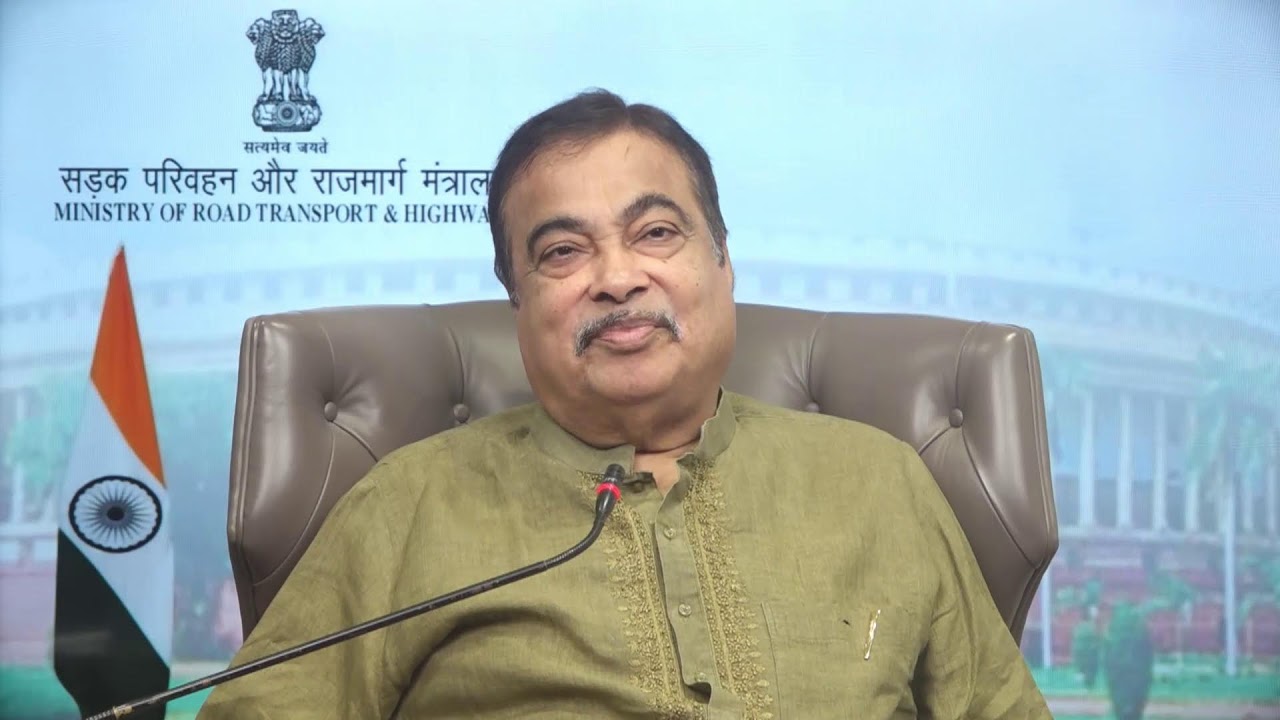
New Delhi: Union Road Transport Minister Nitin Gadkari has said that he has approved the implementation of rules governing the use of E100, that is, nearly 100 percent ethanol, as a fuel in automobiles.
नई दिल्ली: केंद्रीय सड़क परिवहन मंत्री नितिन गडकरी ने कहा है कि उन्होंने ऑटोमोबाइल में ईंधन के रूप में ई-100 यानी लगभग 100 प्रतिशत एथेनॉल के इस्तेमाल को नियंत्रित करने वाले नियमों को लागू करने की मंजूरी दे दी है.
Gadkari said on Saturday, June 13, that he had approved the rules the previous night, Friday, and that the step would help reduce India’s dependence on energy imports as well as pollution.
गडकरी ने शनिवार (13 जून) को बताया कि उन्होंने पिछली रात (शुक्रवार) इन नियमों को मंजूरी दी और यह कदम भारत की ऊर्जा आयात पर निर्भरता तथा प्रदूषण को कम करने में मदद करेगा.
Speaking at a press conference in Nagpur on Saturday, he said, “Last night at 8:30, I signed the file that lays down the legal process for implementing rules on the use of 100% ethanol as automobile fuel in India.”
शनिवार को नागपुर में आयोजित एक प्रेस कॉन्फ्रेंस में उन्होंने कहा, ‘कल रात 8:30 बजे मैंने उस फाइल पर हस्ताक्षर किए, जिसमें भारत में ऑटोमोबाइल ईंधन के रूप में 100% एथेनॉल के उपयोग को लेकर नियम लागू करने की कानूनी प्रक्रिया तय की गई है.’
Gadkari’s announcement came a few days after he, together with Union Petroleum Minister Hardeep Singh Puri, launched a version of Maruti Suzuki’s Wagon-R that can, in principle, run on E100. It is being described as India’s first flex-fuel passenger car. Such vehicles are designed to run on different ethanol-petrol blends, from E20 to E100.
गडकरी की यह घोषणा ऐसे समय आई है जब कुछ दिन पहले उन्होंने केंद्रीय पेट्रोलियम मंत्री हरदीप सिंह पुरी के साथ मिलकर मारुति सुजुकी की वैगन-आर का एक ऐसा संस्करण लॉन्च किया था, जो सैद्धांतिक रूप से ई100 पर चल सकता है. इसे भारत की पहली फ्लेक्स-फ्यूल यात्री कार बताया जा रहा है. ऐसे वाहनों को ई-20 से लेकर ई-100 तक विभिन्न एथेनॉल-पेट्रोल मिश्रणों पर चलने के लिए तैयार किया जाता है.
A few days before that, the two ministers had also launched flex-fuel motorcycles manufactured by Hero, which can run on ethanol-petrol blends of up to E85.
इससे कुछ दिन पहले दोनों मंत्रियों ने हीरो द्वारा निर्मित फ्लेक्स-फ्यूल मोटरसाइकिलें भी लॉन्च की थीं, जो ई-85 तक के एथेनॉल-पेट्रोल मिश्रण पर चल सकती हैं.
In April, Gadkari’s ministry had issued a draft notification proposing that E100 be recognized as an approved automobile fuel.
अप्रैल में गडकरी के मंत्रालय ने एक मसौदा अधिसूचना जारी कर ई100 को अनुमोदित ऑटोमोबाइल ईंधन के रूप में मान्यता देने का प्रस्ताव रखा था.
Gadkari said on Saturday that other automobile manufacturers such as Mahindra, Hyundai and Toyota would also soon bring flex-fuel vehicles to the market.
गडकरी ने शनिवार को कहा कि महिंद्रा, ह्युंडईऔर टोयोटा जैसी अन्य वाहन निर्माता कंपनियां भी जल्द ही फ्लेक्स-फ्यूल वाहन बाजार में उतारेंगी.
The minister said, “People criticized me a great deal. It was said that I talk nonsense and that this is not possible, that vehicles cannot run on 100% ethanol. Misinformation was spread, I was targeted as well, and a paid campaign was run saying that the use of ethanol-blended fuel damages vehicles.”
मंत्री ने कहा, ‘लोगों ने मेरी काफी आलोचना की. कहा गया कि यह बेकार की बातें करते हैं और यह संभव नहीं है, वाहन 100% एथेनॉल पर नहीं चल सकते. गलत जानकारी फैलाई गई, मुझे भी निशाना बनाया गया और एक पेड कैंपेन चलाया गया, जिसमें कहा गया कि एथेनॉल-मिश्रित ईंधन के इस्तेमाल से गाड़ियां खराब हो जाती हैं.’
It is worth noting that last year, when the government implemented E20 fuel across the country, many motorists opposed it. They argued that the new fuel was less efficient and that older vehicles were not compatible with it.
उल्लेखनीय है कि पिछले साल जब सरकार ने पूरे देश में ई-20 ईंधन लागू किया था, तब कई वाहन चालकों ने इसका विरोध किया था. उनका कहना था कि नया ईंधन कम दक्षता वाला है और पुराने वाहन इसके अनुकूल नहीं हैं.
Amid rising concerns over E20 last year, the petroleum ministry clarified that the use of ethanol causes a slight reduction in mileage. According to the ministry, mileage may fall by about 1-2% in four-wheelers designed for E10 and calibrated to be compatible with E20, while in other vehicles the reduction may be 3-6%.
पिछले वर्ष ई-20 को लेकर बढ़ती चिंताओं के बीच पेट्रोलियम मंत्रालय ने स्पष्ट किया था कि एथेनॉल के उपयोग से माइलेज में मामूली कमी आती है. मंत्रालय के अनुसार, ई-10 के लिए डिज़ाइन किए गए और ई-20 के अनुरूप कैलिब्रेट किए गए चार पहिया वाहनों में माइलेज लगभग 1-2% तक घट सकता है, जबकि अन्य वाहनों में यह कमी 3-6% तक हो सकती है.
Unlike E20, E85 and E100 fuels require flex-fuel engines. The government plans to make E85 available at about 500 petrol pumps by December and to increase that number to around 5,000 by the end of 2027.
ई-20 के विपरीत, ई-85 और ई-100 ईंधन के लिए फ्लेक्स-फ्यूल इंजन की आवश्यकता होती है. सरकार की योजना दिसंबर तक लगभग 500 पेट्रोल पंपों पर ई-85 उपलब्ध कराने और 2027 के अंत तक इसकी संख्या बढ़ाकर करीब 5,000 करने की है.
Last week, the Financial Express reported that petrol pump operators are concerned about the introduction of E85. They say petrol pumps do not have enough space and that demand for this high-ethanol blend is also very low.
पिछले सप्ताह फाइनेंशियल एक्सप्रेस ने अपनी एक रिपोर्ट में बताया था कि पेट्रोल पंप संचालक ई-85 की शुरुआत को लेकर चिंतित हैं. उनका कहना है कि पेट्रोल पंपों पर पर्याप्त जगह नहीं है और इस हाई-एथेनॉल मिश्रण की मांग भी बहुत कम है.
Speaking to the newspaper’s correspondent Nitin Kumar, one dealer said, “At present, consumer demand for E85 is almost nonexistent. Despite this, operators are being asked to set aside infrastructure and valuable space for it. In the initial phase, sales of flex-fuel vehicles are expected to remain limited, especially to two-wheelers. Until the number of such vehicles reaches a sufficient level, a large part of this infrastructure may remain unused.”
अखबार के संवाददाता नितिन कुमार से बातचीत में एक डीलर ने कहा, ‘फिलहाल ई-85 की उपभोक्ता मांग लगभग न के बराबर है. इसके बावजूद संचालकों से इसके लिए बुनियादी ढांचा और कीमती जगह अलग रखने को कहा जा रहा है. शुरुआती दौर में फ्लेक्स-फ्यूल वाहनों की बिक्री सीमित रहने की उम्मीद है, खासकर दोपहिया वाहनों तक. जब तक ऐसे वाहनों की संख्या पर्याप्त स्तर तक नहीं पहुंचती, तब तक इस बुनियादी ढांचे का बड़ा हिस्सा इस्तेमाल से बाहर रह सकता है.’