An Assault on Iran’s Future
The essay argues, through an analysis of wartime targeting patterns, that the U.S.-Israeli campaign was not a limited strike on military or nuclear sites but a systematic war against Iran as a whole, extending even to the material conditions of its future life.
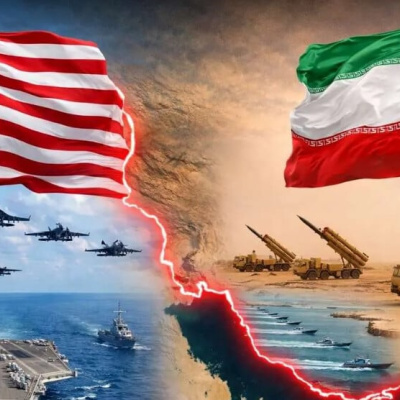
An attempt to understand the logic of war:
تلاشی برای فهم منطق جنگ:
An assault on Iran’s futureتعرض به آیندهی ایران
Author: Mohsen Mahdizadeh. Mohsen Mahdizadeh holds a degree in electrical engineering from Sharif University of Technology and is a doctoral student in international relations at the Graduate Institute of International and Development Studies (IHEID) in Geneva. His research focuses on international political economy.
نویسنده: محسن مهدیزاده، محسن مهدیزاده فارغالتحصیل مهندسی برق از دانشگاه صنعتی شریف و دانشجوی دکتری روابط بینالملل در مؤسسهی مطالعات عالی توسعهای و بینالمللی (IHEID) در ژنو است. پژوهش او بر حوزهی اقتصاد سیاسی بینالملل متمرکز است.
Iranian Diplomacy: Twenty-four hours before the aggression against Iran began, Badr al-Busaidi, Oman’s foreign minister, who had been mediating the Iran-U.S. negotiations, hurried to Washington and, in an interview with CBS, recalled that Iran had made important concessions and warned that diplomacy should be given more time. In the first days of the war, he repeated the same position even more explicitly in The Economist: “The United States and Iran were on the verge of reaching a real agreement on the most difficult issue between them: Iran’s nuclear program and U.S. concerns over its possible militarization.” Given this, what was the logic of the attack on Iran, this costly and illegal act? In the opening days of the war, I waited above all for Trump’s first remarks. Perhaps the commander in chief of the country that had launched this aggression held the answer to that question and could dispel the confusion.
دیپلماسی ایرانی: بیستوچهار ساعت پیش از آغاز تجاوز علیه ایران، بدر البوسعیدی، وزیر امور خارجهی عمان که نقش میانجی را در مذاکرات ایران و آمریکا برعهده داشت، شتابان خود را به واشنگتن رساند و در گفتوگو با شبکهی CBS یادآوری کرد که ایران امتیازهای مهمی داده است و هشدار داد که باید به دیپلماسی فرصت بیشتری داد. او در روزهای نخست جنگ نیز در هفتهنامهی اکونومیست همین موضع را با صراحت بیشتری تکرار کرد: «ایالات متحده و ایران بر سر دشوارترین موضوع اختلافی میان خود، یعنی برنامهی هستهای ایران و نگرانیهای آمریکا از احتمال نظامی شدن آن، در آستانهی دستیابی به یک توافق واقعی قرار داشتند.» با این اوصاف، منطق حمله به ایران، این اقدام پرهزینه و غیرقانونی چه بود؟ در روزهای آغاز جنگ بیش از هر چیز منتظر نخستین اظهارات ترامپ بودم. شاید فرمانده کل کشوری که این تجاوز را آغاز کرده بود پاسخ این پرسش را در دست داشت و میتوانست این سردرگمی را برطرف کند.
In his first comments after the war began, Trump declared that the aim of the operation was to eliminate Iran’s “imminent threats.” He later explained that by these threats he meant Iran’s alleged effort to obtain nuclear weapons, and stressed that America had “tried many times to reach an agreement,” but that “Iran did not accept it.” This account did not accord with what Oman’s foreign minister had said. Between the account of al-Busaidi, the respected foreign minister of Oman, and Trump’s, it was clear to me, at least, which was the more truthful.
ترامپ در نخستین سخنان خود پس از جنگ اعلام کرد که هدف این عملیات از میان برداشتن «تهدیدهای قریبالوقوع» ایران است. او بعدتر توضیح داد که منظور از این تهدیدها، تلاش ادعایی ایران برای دستیابی به سلاح هستهای است و تأکید کرد که آمریکا «بارها برای رسیدن به توافق تلاش کرده بود» اما «ایران آن را نپذیرفت». این روایت با آنچه وزیر امور خارجهی عمان گفته بود سازگار نبود. میان روایت البوسعیدی، وزیر أمور خارجهی محترم عمان و ترامپ، دستکم برای من روشن بود که کدامیک صادقتر است.
Trump then offered a list of other objectives for the war, including the destruction of Iran’s missile capability and the elimination of the country’s navy. In the end, he called on the people of Iran to “take control of their government,” thereby, in practice, adding regime change to his list of aims.
ترامپ در ادامهی سخنانش فهرستی از دیگر اهداف این جنگ ارائه داد؛ مواردی از جمله نابودی توان موشکی ایران و از میان بردن نیروی دریایی کشور. او در نهایت از مردم ایران خواست که «کنترل دولت خود را به دست بگیرند» و بهاینترتیب، عملاً براندازی را هم به سیاههی اهداف خود اضافه کرد.
After these initial remarks, Trump issued, in a short span of time, a series of contradictory messages that only deepened the ambiguity of his position. On Esfand 10, he announced that “the war is effectively over,” adding that Iran “no longer has a navy, its communications systems have been disabled, it has no effective air force,” and that much of its missile and drone capability had also been destroyed. Yet only a few hours had passed before his tone changed. This time he described the war as unfinished and said: “We have won in many ways; but we have not yet won enough.” In his view, then, the war had to continue until the complete defeat of Iran’s political leadership and military apparatus. Some time later, however, he returned to his previous position and spoke of the war’s imminent end. This position was also in stark contradiction with the statements of the U.S. secretary of war, who had written on his social media account: “The war has only just begun.”
ترامپ پس از این اظهارات اولیه، در مدتی کوتاه مجموعهای از پیامهای متناقض منتشر کرد که بر ابهام مواضع او افزود. او در روز دهم اسفند اعلام کرد که «جنگ عملاً تمام شده است» و افزود که ایران «دیگر نیروی دریایی ندارد، سامانههای ارتباطیش از کار افتادهاند، نیروی هوایی مؤثری در اختیار ندارد» و بخش عمدهی توان موشکی و پهپادی آن نیز نابود شده است. با این حال، چند ساعتی نگذشته بود که لحن او تغییر کرد. این بار جنگ را ناتمام توصیف کرد و گفت: «ما از بسیاری جهات پیروز شدهایم؛ اما هنوز به اندازهی کافی پیروز نشدهایم.» در نتیجه از نگاه او جنگ باید تا شکست کامل رهبری سیاسی و دستگاه نظامی ایران ادامه مییافت. اما مدتی بعد بار دیگر به موضع خود بازگشت و از نزدیک بودن پایان جنگ سخن گفت. این موضع همچنین در تضاد آشکار با اظهارات وزیر جنگ آمریکا قرار داشت که در حساب کاربری خود در شبکههای اجتماعی نوشته بود: «جنگ تازه شروع شده است.»
Thus neither Trump’s words nor the statements of other Israeli and American officials helped one understand the logic of this war, a war that in its first hours alone had taken the lives of 168 children. For that reason, I abandoned the effort to understand this war through the words of American and Israeli officials and chose another path: to focus on what they do rather than what they say. To do this, it was enough to see what targets they were bombing in order to understand why they had waged such a war against my country. After all, speaking is easier and less costly than dropping bombs and missiles, and perhaps following the trail of those very bombs and missiles can help us better understand the logic of this war. To do so, we must see what targets America and Israel expended their military weapons on. From this perspective, the present note may be read as an attempt to solve a personal riddle: why America and Israel thought that pouring such a volume of pain and destruction onto my country was a rational decision, especially when the existing facts showed that there was no necessity to choose this mistaken path.
بنابراین نه سخنان ترامپ و نه اظهارات دیگر مقامات اسرائیلی و آمریکایی کمکی به فهمیدن منطق این جنگ نمیکردند؛ جنگی که تنها در نخستین ساعات خود جان ۱۶۸ کودک را گرفته بود. به همین خاطر تلاش برای فهم این جنگ را از خلال گفتههای مقامهای آمریکایی و اسرائیلی کنار گذاشتم و مسیر دیگری را انتخاب کردم: تمرکز روی آنچه انجام میدهند، بهجای آنچه میگویند. برای این کار کافی بود ببینم چه اهدافی را بمباران میکنند تا بتوانم بفهمم چرا چنین جنگی را علیه کشور من به راه انداختهاند. هرچه باشد، حرف زدن بهنسبت ریختن بمب و موشک آسانتر و کمهزینهتر است و شاید دنبال کردن ردّ همین بمبها و موشکها بتواند به ما کمک کنند منطق این جنگ را بهتر بفهمیم. برای این کار باید ببینیم آمریکا و اسرائیل تسلیحات نظامیشان را صرف چه اهدافی کردهاند. از این منظر، یادداشت پیش رو را میتوان تلاشی برای حل یک معمای شخصی دانست: چرا آمریکا و اسرائیل گمان کردند که فروریختن چنین حجمی از درد و ویرانی بر کشور من تصمیمی منطقی است؛ آن هم در شرایطی که واقعیتهای موجود نشان میداد ضرورتی برای انتخاب این مسیر اشتباه وجود ندارد.
To lay the groundwork for this analysis, I collected all war-related posts from seven Persian-language Telegram news channels during the period of the war. I then analyzed the collected material with ChatGPT 5.3 in order to extract every instance of an attack on Iran, together with its location, time, and target, and to place each target in one of six categories: civilian, military, infrastructural, nuclear, regime-change-related, and other.
برای پیریزی این تحلیل تمام پستهای مرتبط با جنگ را از هفت کانال تلگرام خبری فارسیزبان در دورهی جنگ جمعآوری کردم. سپس مطالب جمعآوریشده را با ChatGPT 5.3 تحلیل کردم تا تمامی موارد حمله به ایران را همراه با مکان، زمان و هدف آن استخراج کنم و هر هدف را در یکی از این شش دسته قرار دهم: غیرنظامی، نظامی، زیرساختی، هستهای، مرتبط با براندازی و سایر موارد.
This classification is based on the nature of the targets: “military” targets include military bases, weapons facilities, and infrastructure related to missile industries. By “civilian” targets I mean residential areas and crowded spaces that have no military character. “Infrastructural” targets include energy facilities, airports, universities, transportation networks, and health infrastructure. “Nuclear” targets refer to Iran’s atomic facilities. And “regime-change-related” targets include government buildings, security and intelligence institutions, senior figures of the ruling order, and state media centers. I will now present the principal results of this analysis.
این دستهبندی بر اساس ماهیت اهداف شکل گرفته است: اهداف «نظامی» شامل پایگاههای نظامی، تأسیسات تسلیحاتی و زیرساختهای مرتبط با صنایع موشکی است. مقصود از اهداف «غیرنظامی» مناطق مسکونی و فضاهای پرجمعیتی هستند که ماهیت نظامی ندارند. اهداف «زیرساختی» تأسیسات انرژی، فرودگاهها، دانشگاهها، شبکههای حملونقل و زیرساختهای سلامت را دربرمیگیرند. اهداف «هستهای» به تأسیسات اتمی ایران اشاره دارند. و اهداف «مرتبط با براندازی» شامل ساختمانهای دولتی، نهادهای امنیتی و اطلاعاتی، چهرههای ارشد حاکمیت و مراکز رسانهای دولت است. در ادامه نتایج اصلی این تحلیل را ارائه میدهم.
The most important finding of my research was that whenever the intensity of American and Israeli attacks increased, all six categories of targets mentioned above were also attacked more often, from military and regime-change-related targets to civilian and infrastructural ones. The latter two categories, civilian and infrastructural targets, are targets bound up with people’s lives. Therefore, contrary to the claims of the shameless supporters of war, people’s lives, too, were an inseparable part of America and Israel’s overall strategy in this war.
مهمترین یافتهی پژوهش من این بود که هرگاه شدت حملات آمریکا و اسرائیل افزایش پیدا میکرد، تمامی اهداف ششگانهی مذکور نیز بیشتر مورد حمله قرار میگرفتند؛ از اهداف نظامی و مرتبط با براندازی گرفته تا اهداف غیرنظامی و زیرساختی. دو دستهی آخر، یعنی اهداف غیرنظامی و زیرساختی، اهدافی مرتبط با زیست مردم هستند. بنابراین، علیرغم ادعای طرفداران بیشرم جنگ، زیست مردم نیز بخشی جداییناپذیر از راهبرد کلی آمریکا و اسرائیل در این جنگ بود.
Put more simply, how many civilian or infrastructural targets were attacked on a given day depended to a great extent on the overall intensity of attacks that same day. America and Israel were not targeting Iran selectively. The data tell us that this was a war against Iran in its entirety, and that attacks on civilians and infrastructure were not merely collateral damage. For if these attacks had been simply accidental or unintended, one would expect them to be more scattered and to have a more irregular appearance. But what we see in the data is something else: attacks against civilians and infrastructure, like the other target categories, follow a relatively coherent and recurring pattern.
به بیان سادهتر، این که در یک روز مشخص چه تعداد هدف غیرنظامی یا زیرساختی مورد حمله قرار میگرفت، تا حد زیادی به شدت کلی حملات در همان روز بستگی داشت. آمریکا و اسرائیل ایران را به شکلی گزینشی هدف قرار نمیدادند. دادهها به ما میگویند که این جنگ، جنگی علیه ایران در کلیت آن بوده و حمله به غیرنظامیان و زیرساختها صرفاً خسارات جانبی جنگ نبوده است. چرا که اگر این حملات صرفاً تصادفی یا ناخواسته بودند، انتظار میرفت پراکندگی بیشتر و ظاهری بیقاعدهتر داشته باشند. اما آنچه در دادهها میبینیم چیز دیگری است: حملات علیه غیرنظامیان و زیرساختها نیز همچون سایر دستههای هدف، از الگویی نسبتاً منسجم و تکرارشونده پیروی میکنند.
In addition, this pattern remained almost unchanged throughout the war. This suggests that we are probably dealing with major decisions made at high levels of command and policymaking, not scattered and isolated actions by forces in the field. Such a regular and meaningful pattern of targeting civilians may carry important legal and political consequences for high-ranking decision-makers in relation to the commission of war crimes.
علاوه بر آن، این الگو در سراسر جنگ تقریباً بدون تغییر باقی میماند. این موضوع نشان میدهد که احتمالاً با تصمیمهایی بزرگ در سطوح بالای فرماندهی و سیاستگذاری طرف هستیم؛ نه با اقداماتی پراکنده و موردی از سوی نیروهای میدانی. چنین الگوی منظم و معناداری از مورد هدف قرار دادن غیرنظامیان میتواند برای تصمیمگیرندگان بالارده پیامدهای حقوقی و سیاسی مهمی را در زمینهی ارتکاب جنایات جنگی به همراه داشته باشد.
The data from the final days of the war reveal another important point. The share of attacks on critical infrastructure rose from an average of 55.4 percent during the first thirty-four days of the war to 74.6 percent in the final five days. At the same time, attacks on civilian targets fell from 55 percent to 44.4 percent. The sum of these percentages exceeds 100 because a single attack could include more than one type of target. By contrast, the other main categories, namely regime-change-related, military, and nuclear targets, underwent no significant change. This is of particular importance because it shows that the strategy of the war’s final days did not involve a sudden turn toward regime change, military targets, or nuclear targets.
دادههای روزهای پایانی جنگ نیز نکتهی مهم دیگری را آشکار میکنند. سهم حملات به زیرساختهای حیاتی از میانگین ۵۵.۴ درصد در طول سیوچهار روز نخست جنگ، در پنج روز آخر به ۷۴.۶ درصد افزایش یافت. همزمان حمله به اهداف غیرنظامی نیز از ۵۵ درصد به ۴۴.۴ درصد کاهش پیدا کرد. مجموع این درصدها از ۱۰۰ فراتر میرود؛ چرا که یک حمله میتوانست بیش از یک نوع هدف را دربرگیرد. در مقابل، سایر دستههای اصلی یعنی اهداف مرتبط با براندازی، نظامی و هستهای تغییر چشمگیری را تجربه نکردند. این موضوع از اهمیت ویژهای برخوردار است؛ چرا که نشان میدهد استراتژی روزهای پایانی جنگ با چرخشی ناگهانی به سمت براندازی، اهداف نظامی و یا هستهای همراه نبوده است.
Instead, what changed more than anything else was the pattern of targeting critical infrastructure. As the war drew closer to a ceasefire, America and Israel increasingly turned toward the infrastructures that make governance and the continuity of collective life possible. They targeted the material foundations that every society and every government needs in order to survive. On this account, the logic of the final phase of these attacks was to leave behind a country in which the injuries of war would not end with the ceasefire, but would carry the traces of destruction for years to come.
در عوض، آنچه بیشتر از هر چیز دیگر تغییر کرد، الگوی هدفگیری زیرساختهای حیاتی بود. هرچه جنگ به آتشبس نزدیک میشد، آمریکا و اسرائیل بیش از پیش به سراغ زیرساختهایی میرفتند که حکمرانی و تداوم زندگی جمعی را ممکن میکند. آنها بنیانهای مادیای را هدف قرار دادند که هر جامعه و هر حکومتی برای ادامهی حیات به آنها نیاز دارد. با این حساب، منطق مرحلهی پایانی این حملات برجای گذاشتن کشوری بود که آسیبهای جنگ در آن با آتشبس پایان نمییابد و آثار ویرانی را تا سالها با خود حمل خواهد کرد.
Where did the bombs fall?
بمبها کجا فرود آمدند؟
During the war, critical infrastructure accounted for 25.6 percent of all attacks, regime-change-related targets for 24.4 percent, and civilian targets for 23.5 percent. These three categories accounted for the largest shares of attacks, and the distance between them was small. Attacks on military targets made up 20.7 percent of all attacks. This means that attacks on civilian targets and on critical infrastructure, each taken separately, exceeded attacks on military targets.
در طول جنگ، بهترتیب زیرساختهای حیاتی ۲۵.۶ درصد، اهداف مرتبط با براندازی ۲۴.۴ درصد و اهداف غیرنظامی ۲۳.۵ درصد از کل حملات را به خود اختصاص دادند. این سه مورد بیشترین سهم از حملات را به خود اختصاص داده بودند و فاصلهی میان آنها اندک بود. حمله به اهداف نظامی نیز ۲۰.۷ درصد از کل حملات را تشکیل میداد. این یعنی حمله به اهداف غیرنظامی و زیرساختهای حیاتی، هر یک بهتنهایی، از حمله به اهداف نظامی بیشتر بوده است.
Given this, one can say that civilians and the country’s infrastructure did not stand at the margins of this war; they stood at its center. In other words, for every military target, roughly 1.14 civilian targets were also attacked. This cannot be the pattern of a war focused only on military objectives; rather, the figures show us that we are facing a war whose violence is meant to be drawn into the very fabric of social life as well.
با این اوصاف میتوان گفت غیرنظامیان و زیرساختهای کشور در حاشیهی این جنگ قرار نداشتند؛ بلکه در مرکز آن ایستاده بودند. به بیان دیگر، بهازای هر هدف نظامی، حدود ۱.۱۴ هدف غیرنظامی نیز مورد حمله قرار گرفته بود. این نمیتواند الگوی جنگی باشد که تنها بر اهداف نظامی متمرکز است؛ بلکه آمار و ارقام به ما نشان میدهند با جنگی روبهرو هستیم که قرار است خشونت آن به تاروپود زندگی اجتماعی نیز کشانده شود.
The illusion of differentiated targeting: civilians, regime-change-related targets, and military targets
توهم هدفگیری تفکیکشده: غیرنظامیان، اهداف مرتبط با براندازی و اهداف نظامی
The data also indicate a very strong positive relationship between the targeting of civilians and the targeting of regime-change-related and military objectives. This relationship can be seen in the charts below. They show that these three categories move almost in step with one another over time.
دادهها همچنین از وجود رابطهای مثبت و بسیار قوی میان هدفگیری غیرنظامیان و اهداف مرتبط با براندازی و نظامی حکایت دارند. این رابطه را میتوان در نمودارهای زیر مشاهده کرد. آنها نشان میدهند این سه دسته در طول زمان تقریباً همگام با هم حرکت میکنند.
The correlation coefficient between civilian targets and regime-change-related targets is 84.0. This figure indicates a very strong and meaningful relationship between the two categories. The coefficient between civilian and military targets is also 73.0, which similarly points to a significant relationship between the two. In other words, as attacks on regime-change-related and military targets intensified, attacks on civilians also increased.
ضریب همبستگی میان اهداف غیرنظامی و اهداف مرتبط با براندازی ۸۴.۰ است. این رقم نشاندهندهی رابطهای بسیار قوی و معنادار میان این دو دسته است. ضریب میان اهداف غیرنظامی و نظامی نیز ۷۳.۰ است که بهطور مشابه از وجود رابطهای قابلتوجه میان این دو حکایت میکند. به بیان دیگر، با شدت گرفتن حملات به اهداف مرتبط با براندازی و اهداف نظامی، حمله به غیرنظامیان نیز افزایش یافته است.
A war against Iran in its entiretyجنگی علیه ایران در کلیت آن
All four main categories of targets, namely infrastructure, civilian, military, and regime-change-related targets, which received the greatest number of attacks, had a high correlation with the total number of daily attacks. This finding strengthens one of the central arguments of this piece. The correlation coefficient between regime-change-related targets and the total number of attacks is 94.0. The figure is 90.0 for civilian targets, 87.0 for critical infrastructure, and 86.0 for military targets.
هر چهار دستهی اصلی اهداف، یعنی زیرساخت، غیرنظامی، نظامی و اهداف مرتبط با براندازی که هدف بیشترین حملات بودهاند، همبستگی بالایی با تعداد کل حملات روزانه داشتند. این یافته یکی از استدلالهای اصلی این نوشته را تقویت میکند. ضریب همبستگی اهداف مرتبط با براندازی با تعداد کل حملات برابر با ۹۴.۰ است. این رقم برای اهداف غیرنظامی ۹۰.۰، برای زیرساختهای حیاتی ۸۷.۰ و برای اهداف نظامی ۸۶.۰ است.
These high figures show that the main target categories did not follow separate logics. The more the total number of attacks increased, the more attacks in the main categories also intensified.
این ارقام بالا نشان میدهند که دستههای اصلی اهداف از منطقهای جداگانهای پیروی نمیکردند. هرچقدر تعداد کل حملات افزایش پیدا میکرد، حملات در دستههای اصلی نیز شدت میگرفتند.
The relative stability of each category’s share over time confirms the same pattern. The degree of fluctuation in the daily share of the main categories relative to total attacks was very low: about 1.97 percent for critical infrastructure, 1.12 percent for regime-change-related targets, 1.12 percent for civilian targets, and 1.19 percent for military targets.
ثبات نسبی سهم هر دسته در طول زمان نیز همین الگو را تأیید میکند. میزان نوسان سهم روزانهی دستههای اصلی نسبت به کل حملات بسیار پایین بود: حدود ۱.۹۷ درصد برای زیرساختهای حیاتی، ۱.۱۲ درصد برای اهداف مرتبط با براندازی، ۱.۱۲ درصد برای اهداف غیرنظامی و ۱.۱۹ درصد برای اهداف نظامی.
Put more simply, as the war intensified, attacks on all categories expanded almost simultaneously, and their figures remained more or less stable relative to the total number of attacks. This observation means that the overall structure of targeting throughout the war had a remarkable, and to some extent surprising, stability. Establishing this point is of special importance. For if this pattern of targeting were the output of scattered decisions, field errors, or constant shifts in tactical priorities, we should have seen greater fluctuation in the data. But what we see is entirely different: throughout the war, and as the intensity of attacks changed, a similar structure of targeting was reproduced again and again. The observed pattern points to the existence of a kind of order and strategy in the attacks.
به بیان سادهتر، با تشدید جنگ، حمله به تمامی دستهها تقریباً همزمان گسترش پیدا میکرد و آمار آنها بهنسبت تعداد کلی حملات کمابیش ثابت باقی میماند. این مشاهده به این معناست که ساختار کلی هدفگیری در طول جنگ ثباتی قابلتوجه و تا حدی غافلگیرکننده داشته است. مسئلهای که اثبات آن از اهمیت ویژهای برخوردار است. چرا که اگر این الگوی هدفگیریْ خروجی تصمیمهای پراکنده، خطاهای میدانی یا تغییر مداوم در اولویتهای تاکتیکی بود، باید نوسان بیشتری را در دادهها میداشتیم. اما آنچه میبینیم بهکل متفاوت است: در طول جنگ و با تغییر شدت حملات، یک ساختار مشابه هدفگیری بارها و بارها بازتولید میشود. این الگوی مشاهدهشده از وجود نوعی نظم و راهبرد در حملات حکایت دارد.
This same point creates serious and substantial doubts about the notion that harm to civilians was merely a side effect or an unintended consequence. The data analysis leads us to the conclusion that attacks on civilian targets were a systematic pillar of this war. These attacks stood outside neither the war’s logic nor its design; they were an essential part of that logic.
همین موضوع تردیدهای جدی و قابلتوجهی را در این تصور که آسیب به غیرنظامیان صرفاً عوارض جانبی یا پیامدی ناخواسته بوده است، ایجاد میکند. تحلیل دادهها ما را به این نتیجه میرساند که حملات به اهداف غیرنظامی ستونی نظاممند از این جنگ بودهاند. این حملات بیرون از منطق جنگ نبودند؛ بلکه بخشی اساسی از این منطق بودند.
Taken together, the four main target categories corresponded to the main components of the Iranian state: population, infrastructure, military capacity, and governing institutions. For this reason, this war cannot be regarded as a limited and precise campaign designed only to bring about regime change, destroy Iran’s nuclear program, or weaken the country’s military capacity. The American and Israeli attack on Iran was a war against Iran in its entirety.
در مجموع، چهار دستهی اصلی اهداف با مؤلفههای اصلی دولت ایران متناظر بودند: جمعیت، زیرساختها، توان نظامی و نهادهای حکمرانی. به همین دلیل این جنگ را نمیتوان کارزاری محدود و دقیق دانست که فقط با هدف براندازی، نابودی برنامهی هستهای ایران یا تضعیف توان نظامی کشور طراحی شده باشد. حملهی آمریکا و اسرائیل به ایران جنگی علیه ایران در کلیت آن بود.
The logic of the war’s final phase: destroying the foundations of lifeمنطق مرحلهی پایانی جنگ: تخریب بنیانهای زندگی
The data add another important layer to this analysis. They do not only reveal the nature of the main targets of this war; they also show how it came to an end. The clearest change in the days leading up to the end of the war was the focus on Iran’s critical infrastructure.
دادهها لایهی مهم دیگری را نیز به این تحلیل اضافه میکنند. این دادهها تنها نمایانگر ماهیت اهداف اصلی این جنگ نیستند؛ بلکه چگونگی پایان یافتن آن را نیز نشان میدهند. آشکارترین تغییر در روزهای منتهی به پایان جنگ، تمرکز بر زیرساختهای حیاتی ایران بود.
In the final five days of the war, the share of attacks on critical infrastructure, which until then had stood at 55.4 percent, reached 74.6 percent, an increase of more than 19 percent. By contrast, regime-change-related and military targets retained their stability. The share of nuclear targets also increased only slightly, from 5.9 percent to 7.8 percent.
در پنج روز پایانی جنگ، سهم حملات به زیرساختهای حیاتی که تا آن زمان ۵۵.۴ درصد بود، به ۷۴.۶ درصد رسید؛ افزایشی بیش از ۱۹ درصد. در مقابل، اهداف مرتبط با براندازی و اهداف نظامی ثبات خود را حفظ کردند. سهم اهداف هستهای نیز تنها اندکی افزایش یافت و از ۵.۹ درصد به ۷.۸ درصد رسید.
On this account, one can say that the final phase of the war did not correspond to the objectives most emphasized in official propaganda. Contrary to the claims of America and Israel, the principal focus was not regime change or the destruction of Iran’s nuclear and military capacity; rather, the main objective was the destruction of the country’s critical infrastructure.
با این حساب میتوان گفت مرحلهی پایانی جنگ با اهدافی که بیش از همه در تبلیغات رسمی بر آنها تأکید میشد، همخوانی نداشت. برخلاف ادعای آمریکا و اسرائیل، تمرکز اصلی روی براندازی و نابودی توان هستهای و نظامی ایران نبود؛ بلکه هدف اصلی از میان بردن زیرساختهای حیاتی کشور بود.
As the war approached a ceasefire, America and Israel increasingly targeted the systems that make a country livable and governable: energy, transportation, health infrastructure, logistics, and the other material foundations of society. These are not merely technical systems; they are the instruments that make collective life possible. They are the infrastructures and facilities that allow hospitals to function, make movement possible, bring energy to homes, maintain the circulation of goods, and, more broadly, give societies the possibility of life and governments the capacity to govern.
هرچه جنگ به آتشبس نزدیک میشد، آمریکا و اسرائیل بیش از پیش سامانههایی را هدف قرار میدادند که یک کشور را زیستپذیر و قابل حکمرانی میکند: انرژی، حملونقل، زیرساختهای سلامت، لجستیک و دیگر بنیانهای مادی جامعه. اینها صرفاً سامانههایی فنی نیستند؛ بلکه ابزارهایی هستند که زندگی جمعی را ممکن میکنند. زیرساختها و تأسیساتی که به بیمارستانها امکان فعالیت میدهند، حرکت را ممکن میکنند، انرژی را به خانهها میرسانند، گردش کالاها را برقرار میکنند و به بیان کلیتر، به جوامع امکان زیست و به حکومتها مجال حکمرانی میدهند.
The first part of this analysis showed that this war was not a limited and precise campaign; it was a war against Iran in its entirety. But the final phase of the war adds a darker layer to this picture: America and Israel did not target only the Iran of today with missiles and bombs; they also targeted Iran’s future.
بخش نخست این تحلیل نشان داد که این جنگ کارزاری محدود و دقیق نبود؛ بلکه جنگی علیه ایران در کلیت آن بود. اما مرحلهی پایانی جنگ لایهی تاریکتری را به این تصویر اضافه میکند: آمریکا و اسرائیل تنها ایران امروز را آماج موشک و بمب قرار ندادند؛ آنها آیندهی ایران را نیز مورد هدف گرفتند.
From this perspective, the logic of the war’s final phase was to leave behind a country whose essential infrastructure had been damaged, where the continuity of collective life had become more difficult, and whose future must necessarily begin from a point at which long-term destruction is an inseparable part of it.
از این منظر، منطق مرحله پایانی جنگ برجای گذاشتن کشوری بود که زیرساختهای اساسی آن آسیب دیده، تداوم زندگی جمعی در آن دشوارتر شده و آیندهاش ناگزیر از نقطهای آغاز میشود که ویرانی بلندمدت بخشی جداییناپذیر از آن است.