I No Longer Believe Justice Will Prevail
After being shot during Kazakhstan’s Bloody January and then tortured in custody, Sayat Adilbekuly has spent four years seeking accountability, only to find the state denying wrongdoing and justice receding further from view.
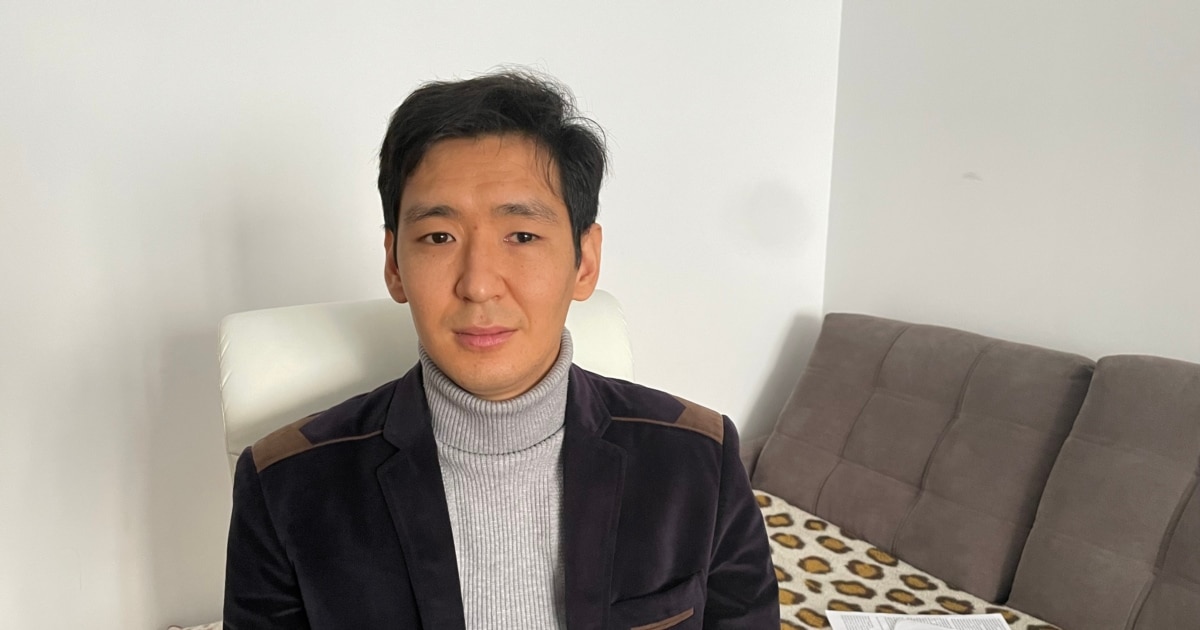
Алматинец Саят Адильбекулы получил огнестрельное ранение в дни Кровавого января 2022 года. Из больницы его с применением силы вывезли в следственный изолятор, не дав долечиться. Оказавшись на свободе после вмешательства адвокатов, он рассказал о жестоких пытках под стражей. Судился с государством, пытаясь привлечь к ответственности виновных в пытках и добиться компенсации за безосновательное уголовное преследование. Азаттык Азия поговорил с Саятом о том, чем закончились суды и как изменилась его жизнь за минувшие четыре года.
Almaty resident Sayat Adilbekuly suffered a gunshot wound during the days of Bloody January in 2022. He was forcibly taken from the hospital to a pretrial detention center before he had been allowed to complete his treatment. Once freed after lawyers intervened, he spoke of brutal torture in custody. He took the state to court, trying to hold those responsible for the torture to account and to obtain compensation for baseless criminal prosecution. Azattyq Asia spoke with Sayat about how the court cases ended and how his life has changed over the past four years.
«Государство ничего не признало. Я прошел все инстанции, подал в ООН. Теперь мое дело рассматривается там: и пытки, и незаконное преследование, и неправомерное давление, когда меня необоснованно вызывали в полицию», — рассказывает Саят Адильбекулы.
"The state has admitted nothing. I went through every court instance and filed with the UN. Now my case is being considered there: the torture, the unlawful prosecution, and the improper pressure when I was summoned to the police without grounds," Sayat Adilbekuly says.
Qantar overturned the life of the 33-year-old Almaty resident, who had lived in his own world: family, work, daily routine. Before the January events, the young man kept away from politics, did not attend rallies, and had never had dealings with either those in power or the police. He was interested in photography and videography: filming city streets, people, and mountain landscapes.
Кантар перевернул жизнь 33-летнего алматинца, который жил в своем мире — семья, работа, быт. До Январских событий молодой человек держался в стороне от политики, не ходил на митинги и не сталкивался ни с власть имущими, ни с полицией. Он увлекался фотографией и видеосъемкой: снимал городские улицы, людей, горные пейзажи.
On January 5, 2022, Sayat left home in search of a pharmacy to buy medicine for his one-year-old daughter, who was lying at home with a high fever. The city was under an information blockade: the internet had been cut off, and communications were unstable. The nearby pharmacies were closed. Sayat set out to find others. On the way, he encountered an aggressive crowd which, according to the Almaty resident, forced him by threats to join it and go from the residential district into the city center, where the situation was already tense. On Republic Square, a many-thousand-strong antigovernment protest spilled over into unrest and looting.
5 января 2022 года Саят вышел из дома в поисках аптеки, чтобы купить лекарство для годовалой дочери, лежавшей с высокой температурой. Город находился в информационной блокаде: интернет отключен, связь была нестабильной. Аптеки по соседству не работали. Саят отправился искать другие. В пути его встретила агрессивная толпа, которая, по словам алматинца, угрозами заставила его присоединиться к ней и пойти из спального района в центр города, где уже было неспокойно. На площади Республики многотысячный антиправительственный протест перетек в беспорядки и погромы.
Sayat Adilbekuly suffered a gunshot wound, fled the epicenter of the events, and made his way home by catching rides. His relatives called an ambulance, and he was hospitalized in City Hospital No. 7. The bullet had struck his kidney. Doctors performed emergency surgery, managing to save the organ, and transferred the patient to intensive care.
Саят Адильбекулы получил огнестрельное ранение, бежал из эпицентра событий и на попутках вернулся домой. Родные вызвали скорую, и его госпитализировали в 7-ю больницу. Пуля попала в почку. Врачи провели экстренную операцию, сумев спасти орган, и перевели пациента в реанимацию.
On January 8, security forces burst into the hospital and took away all the patients with gunshot wounds, including Sayat.
8 января в больницу ворвались силовики и вывезли всех больных с огнестрельными ранениями, включая Саята.
His mother, wife, and brother did not know where to look for Sayat. Contact with him had been cut off. He was listed on an unofficial register of the missing kept by volunteers.
Мать, жена и брат не знали, где искать Саята. Связь с ним прервалась. Он числился в неофициальном списке пропавших, который вели волонтеры.
"Sayat Adilbekuly, 31, went out to a pharmacy on January 5, was wounded, and was hospitalized in City Hospital No. 7. On January 8, he was taken from the hospital by law enforcement agencies," the volunteers' records stated.
«Саят Адильбекулы, 31 год, 5 января вышел в аптеку, получил ранение, был госпитализирован в 7 городскую больницу. 8 января из больницы его забрали правоохранительные органы», — было написано в записях волонтеров.
Several days later, after lawyers who had struggled to gain access to the pretrial detention center intervened, the public learned that the wounded had been tortured behind bars. According to Sayat, masked men beat confessions out of him: to "raping nurses," "beheading a cadet," and "seizing government buildings."
Через несколько дней после вмешательства адвокатов, не без труда получивших доступ в СИЗО, общественность узнала, что раненых пытали за решеткой. Люди в масках, по словам Саята, выбивали из него признания — в «изнасиловании медсестер», «обезглавливании курсанта» и «захвате государственных зданий».
On January 14, an investigating court ordered Sayat held in custody for two months as a suspect in "participation in mass unrest." On January 25, he was released on a written pledge not to leave the area.
14 января следственный суд постановил взять Саята под стражу на два месяца как подозреваемого в «участии в массовых беспорядках». 25 января его выпустили под подписку о невыезде.
"I DO NOT KNOW A SINGLE PERSON WHOSE CASE MADE IT TO COURT." TORTURE WITHOUT PUNISHMENT
«НЕ ЗНАЮ НИКОГО, ЧЬЕ ДЕЛО ДОВЕЛИ ДО СУДА». БЕЗНАКАЗАННЫЕ ПЫТКИ
Once free, Adilbekuly told journalists about the extreme abuse in the detention facility. According to him, everyone was beaten. One of his cellmates was taken away for interrogation, where boiling water was poured over him; when he was brought back and tried to remove his clothes, his skin came off with the fabric.
Оказавшись на свободе, Адильбекулы рассказал журналистам о жесточайших издевательствах в изоляторе. Избивали, по его словам, всех. Одного из сокамерников увели на допрос, где облили кипятком — когда его вернули и он пытался снять одежду, с вещами слезала кожа.
Sayat himself spent two weeks with a catheter leading to his kidney, one that was supposed to be changed several times a day. Later the catheter was torn out, the site was smeared with iodine, and he was given painkillers; that was the entirety of the "treatment."
Сам Саят две недели проходил с подведенным к почке катетером, который нужно было менять несколько раз в сутки. Позже катетер вырвали, замазали место йодом и дали обезболивающее — и всё «лечение».
Adilbekuly was one of the few people who openly stated that torture had been used in the pretrial detention center and demanded that the guilty be punished. He filed a complaint, on the basis of which a criminal case was opened. The investigation barely moved, as with the statements submitted by others who had survived abuse in the detention facility. Later the Almaty resident learned that the torture case had been closed "for lack of evidence."
Адильбекулы был одним из немногих, кто открыто заявил о пытках в СИЗО и потребовал наказать виновных. Он подал жалобу, по которой возбудили уголовное дело. Расследование практически не продвигалось — как и по заявлениям других переживших издевательства в изоляторе. Позже алматинец узнал, что дело о пытках закрыли — «за отсутствием доказательств».
"Although there was evidence. My cellmates confirmed it. They saw some of the torture; they were present. We requested the camera recordings, but we were told that the cameras were not working at the time. The hospital camera footage from when we were taken away was obtained, but for some reason it was not added to the case file. Although it shows SOBR taking me away. As for the KNB officers, there were no face-to-face confrontations. They said the KNB had refused to provide photographs for the identification of its officers. In the end, they gave photographs only of the detention center staff. I identified the detention center officers who, despite my wound, forced me to whitewash and repair the premises. But regarding them I was told that they had not directly participated in the torture and would not be charged. It also did not work out with the officers of [the police special forces unit] Arlan, because they said they had been wearing masks. Of those who were with me in SI-18, I do not know a single person whose [torture complaint] case made it to court," Adilbekuly notes.
«Хотя доказательства были. Мои сокамерники подтверждали. Часть пыток они видели, присутствовали. Мы запросили записи с камер, но нам сказали, что камеры на тот момент не работали. [Записи] камеры в больнице, когда нас забирали, взяли, но почему-то их к делу не приобщили. Хотя там видно, как меня забирает СОБР. Что касается сотрудников КНБ, то никаких очных ставок не было. Сказали, что КНБ отказался давать фотокарточки для опознания их сотрудников. В итоге дали фотокарточки только сотрудников СИЗО. Я опознал сотрудников СИЗО, которые, несмотря на мое ранение, заставляли меня белить и ремонтировать помещение. Но насчет них мне сказали, что они в пытках непосредственно не участвовали и привлекать их не будут. Не получилось (привлечь) и сотрудников [полицейского спецназа] "Арлан", потому что сказали, что они были в масках. Из тех, кто был со мной в СИ-18, не знаю никого, чье дело [по жалобе на пытки] довели до суда», — отмечает Адильбекулы.
In August 2022, the charges against Adilbekuly of involvement in the unrest were dropped, thereby acknowledging that the criminal prosecution had been baseless.
В августе 2022-го с Адильбекулы сняли обвинения в причастности к беспорядкам, тем самым признав привлечение к уголовной ответственности безосновательным.
"For the unlawful criminal prosecution, I was compensated for damages in the amount of 800,000 tenge," Sayat says. "Seven hundred thousand for moral harm and 100,000 for the lawyer, although the lawyer cost me 500,000. I have all the receipts. But the judge said I had paid the lawyer too much."
«За незаконное уголовное преследование мне возместили ущерб в 800 тысяч тенге, — рассказывает Саят. — 700 тысяч — моральный ущерб и 100 тысяч — за адвоката, хотя адвокат мне обошелся в 500 тысяч. Есть все чеки. Но судья сказал, что я слишком много заплатил юристу».
Adilbekuly stresses that the court assessed the damage at 700,000 tenge for 14 days spent in the pretrial detention center, but, as he sees it, failed to take into account how hard those two weeks were for him. "We were brutally beaten and tortured. But the judge's answer was: 'We have no criteria by which to assess this,'" he laments.
Адильбекулы подчеркивает, что суд оценил ущерб в 700 тысяч тенге за 14 суток пребывания в СИЗО, но, как он считает, не учел, насколько тяжело дались ему эти две недели. «Нас жестоко избивали и пытали. Но ответ судьи был: "У нас нет критериев, чтобы это оценивать"», — сетует он.
The international organization International Partnership for Human Rights, in a report prepared jointly with Kazakhstani human rights defenders titled "We Don't Even Cry Anymore: Torture, Ill-Treatment and Impunity in Kazakhstan in Connection with the Bloody January Events," notes that "the Kazakhstani authorities have failed to conduct an impartial and effective investigation into allegations of torture and ill-treatment by officials." As a consequence, the use of torture remains unpunished in the country. Human rights defenders documented methods including burning with a hot iron, rape by police officers, and burns inflicted with cigarettes and a lighter.
Международная организация International Partnership for Human Rights в подготовленном совместно с казахстанскими правозащитниками отчете «"Мы уже даже не плачем" — пытки, жестокое обращение и безнаказанность в Казахстане в связи с событиями Кровавого января» отмечает, что «казахстанские власти так и не провели беспристрастного и эффективного расследования заявлений о пытках и жестоком обращении со стороны должностных лиц». Как следствие — применение пыток остается в стране безнаказанным. Правозащитники задокументировали применение таких методов, как прижигание горячим утюгом, изнасилование сотрудниками полиции, ожоги сигаретами и зажигалкой.
"I NO LONGER BELIEVE JUSTICE WILL PREVAIL"
«УЖЕ НЕ ВЕРЮ В ТО, ЧТО ПРАВОСУДИЕ ВОСТОРЖЕСТВУЕТ»
Sayat says the torture he endured still affects his health.
Саят говорит, что перенесенные пытки все еще отражаются на его здоровье.
"My memory is gradually recovering after the beating. But because I did not complete treatment for the kidney rupture and my twelfth rib was broken, my immunity declined. I remember that in the pretrial detention center they asked who had pain where. I pointed to my kidney, and that was exactly where they hit me. In other words, they struck the places where people were wounded. Because of that, there were complications later. I also have documentary confirmation that I have atrophy of the optic nerve in my left eye. It had been damaged before, but afterward it became even worse. I submitted all these certificates when I filed complaints about the consequences of the torture and demanded compensation for moral harm, but they were not even considered," Sayat says.
«Память у меня потихоньку восстанавливается после избиения. Но так как я не долечился из-за разрыва почки и было сломано 12-е ребро, иммунитет упал. Помню, в СИЗО спрашивали, у кого где болит. Я показывал на почку, и именно в это место били. То есть они били по тем местам, где были ранения. Из-за этого потом были осложнения. Также у меня есть бумажное подтверждение того, что у меня атрофия зрительного нерва в левом глазе. Он у меня и до этого был поврежден, но после этого еще хуже стало. Все эти справки я приводил, когда подавал жалобы на последствия пыток и требовал возмещения морального ущерба, но их даже не рассматривали», — говорит Саят.
He says that after the criminal cases were closed, he faced pressure. According to the Almaty resident, he was summoned to the police more than once over posts he published about Qantar.
Он утверждает, что после закрытия уголовных дел столкнулся с прессингом. По словам алматинца, его не раз вызывали в полицию из-за публикуемых им постов о Кантаре.
"Several times I was summoned to the district police department, supposedly in connection with other cases. Ahead of December 16 [in 2024], I was summoned and told that a statement had been filed against me alleging that my phone supposedly contained some extremist applications, messages. They checked my phone and let me go. Another time, they forced me to delete my Facebook post. And in the spring [of 2025], when I was on my way to an event held by a nongovernmental organization, unknown people stopped me in the street; they did not introduce themselves, but made it clear they were from the security structures, hit me a couple of times, took me to some basement, and said: 'Stop stirring up the Qantar issue!'" he says.
«Несколько раз вызывали в РОВД якобы по другим делам. В преддверии 16 декабря [в 2024-м] меня вызвали и сказали, что на меня поступило заявление о том, что на моем телефоне якобы есть какие-то экстремистские приложения, сообщения. Они проверили мой телефон и отпустили. Еще один раз — заставили удалить мой пост в Facebook’е. А весной [2025 года], когда я отправился на мероприятие неправительственной организации, меня на улице остановили неизвестные, не представились, но дали понять, что из силовых структур, пару раз ударили, отвезли в какой-то подвал и сказали: "Хватит качать Кантарскую тему!"» — утверждает он.
Asked whether he filed a complaint about abduction, unlawful detention, and threats, or initiated a review of surveillance camera footage, Adilbekuly answers no. He believes "there will be no point." Nor does he hold out hope that he will be able to secure punishment for those who tortured him.
На вопрос, подавал ли заявление о похищении, незаконном удерживании и угрозах, инициировал ли просмотр камер видеонаблюдения, Адильбекулы отвечает отрицательно. Он считает, что «толку не будет». И не питает надежд, что сможет добиться наказания для тех, кто его пытал.
"I no longer believe justice will prevail. The only hope is that when the government changes, another government will come in, one that will be interested in bringing all the dark deeds of the previous authorities to light," he says with conviction.
«Уже не верю в то, что правосудие восторжествует. Надежда есть только на то, что, когда власть сменится, придет другая власть, которая будет заинтересована в том, чтобы осветить все черные дела предыдущей власти», — убежден он.
Four years after the bloody events that claimed at least 238 lives, Sayat Adilbekuly says he does not count on justice in his homeland. In 2022, in the wake of Qantar, speaking about Kazakhstan's future, he said he did not want to leave the country and hoped that future generations would live in a free state. Now he is less optimistic. There are reasons for that, the Almaty resident notes.
Через четыре года после кровопролитных событий, унесших не менее 238 жизней, Саят Адильбекулы говорит, что не рассчитывает на справедливость на родине. В 2022-м, вслед за Кантаром, он, рассуждая о будущем Казахстана, заявлял, что не хочет покидать страну, и надеется, что будущие поколения будут жить в свободном государстве. Сейчас он настроен менее оптимистично. Для этого есть причины, отмечает алматинец.
"People in civilian clothes came to my home. I was forced to install a camera at home. They frightened my mother. All those recordings exist. Because of the persecution, my brother was forced to leave the country. I am still here for now, but I am thinking [about emigration]. I got divorced. For now I am resolving the issue with my child (Sayat has a five-year-old daughter. - Ed.). And, if it works out, I want to emigrate too," he says.
«Ко мне домой приходили люди в гражданском. Я вынужден был установить камеру дома. Пугали мою маму. Все эти записи есть. Брат из-за преследований вынужден был уехать из страны. Я пока здесь, но думаю [об эмиграции]. Я развелся. Пока решаю вопрос с ребенком (У Саята есть пятилетняя дочь. — Ред.). И, если получится, тоже хочу эмигрировать», — говорит он.