13 June 2026Focus · MENA · Africa12 Items · 5 Translated · Shelf › · Archive ›
— The Dragoman's Note —
Power keeps arriving this week as paperwork before it arrives as force. Coltan crosses from M23 zones into Rwanda and becomes clean enough for Apple’s world; Cairo’s Zohriya Garden is concreted over while the plan stays offstage; Paris lowers the forecast while fossil CO2 still hits a record; Sudan’s mines turn Darfur and Kordofan into balance sheets for war. India supplies the sharper grammar of the same pattern: Delhi renames literary prestige, Uttar Pradesh installs anti-conversion cells, and the Gauri Lankesh trial loses time judge by judge until accountability itself becomes administrative delay. Even the softer pieces are about vanishing infrastructures of authority, from petrol stations to Tyre’s maritime leverage to Wembanyama’s refusal of the old command-performance masculinity. The week’s connective tissue is conversion: minerals into deniability, gardens into real estate, universities into surveillance, climate pledges into investment signals, and memory into rule.
Lines of dispatch · Edition XXVII
Eight voices, gathered to the desk this week — each filed in its own tongue, from far afield.
It gives a usable genealogy for today’s audit states, NGO regimes and bureaucratic empires, where control often arrives as oversight rather than command.
Measurement Becomes Command
British rule in colonial India becomes a laboratory for a quieter form of power: supervision, the authority to inspect, standardize and discipline without always governing directly. Norms are not the backdrop to power here; they are the machinery through which power identifies deviations and locks institutions into compliance.
L’asymétrie entre superviseurs et supervisés se joue donc à deux niveaux : les seconds sont des délégués des premiers, pourvus de compétences et de tâches à accomplir, mais ils sont sans cesse contraints de laisser des traces de leurs décisions.
Why it leads: British rule in India did not begin as omnipotence but as a nervous machinery of delegation, paperwork and distrust, and Salmon’s “supervision” gives a sharper grammar for empire than conquest alone.
French · yesterday · 12 min · Deep
The Brief
The Brief follows institutions that govern by relabelling: ore, awards, campuses, parks, trials, weapons budgets and even masculinity change status before they change hands.
Conflict coltan from eastern DRC is laundered through Rwanda and then disappears into electronics supply chains that can plausibly claim clean paperwork. The key mechanism is not just rebel mining but the certification gap after the border crossing: once the ore is relabelled Rwandan, downstream buyers get deniability.
We found that conflict coltan may have unwittingly found its way to global brands including Microsoft, Vodafone, Sony, Amazon, Nvidia, LG Display, Ericsson, Toyota and Apple – and into products we use every day.
Concrete is already being poured inside one of Cairo’s oldest botanical gardens while the redevelopment plan remains hidden from the public. The fight is over more than a park: state-linked urban development turns heritage, green space and public consultation into obstacles to be managed after the fact.
Kinshasa’s accusations against Apple gain evidentiary weight from Global Witness’s tracing of coltan moving from M23-controlled zones through Rwanda into global tech supply chains. The French-language angle usefully follows the legal and diplomatic consequences for the DRC state, not just the consumer-facing ethics story.
दिल्ली सरकार ने हिंदी साहित्यिक सम्मानों का नाम बदलकर सावरकर, भाजपा नेताओं के नाम पर रखा
Delhi Hindi Academy awards named in the piece
Award
Named for
Prize
Shalaka Samman
Deendayal Upadhyaya
Rs 7 lakh
Culture and Knowledge
Atal Bihari Vajpayee
Rs 5 lakh
National consciousness
Veer Savarkar
Rs 2 lakh
Literary categories
Various figures
Rs 1 lakh
Delhi’s Hindi Academy is renaming literary awards after Savarkar, Deendayal Upadhyaya and BJP-linked figures, shifting cultural prestige into the party’s ideological vocabulary. The move folds literary recognition into memory politics: institutions that once conferred artistic legitimacy now help normalize a political canon.
The academy’s highest honor, the ‘Hindi Academy Shalaka Samman,’ has been renamed the ‘Pandit Deendayal Upadhyaya Shalaka Samman.’ The prize money attached to it has also been increased from five lakh rupees to seven lakh rupees.
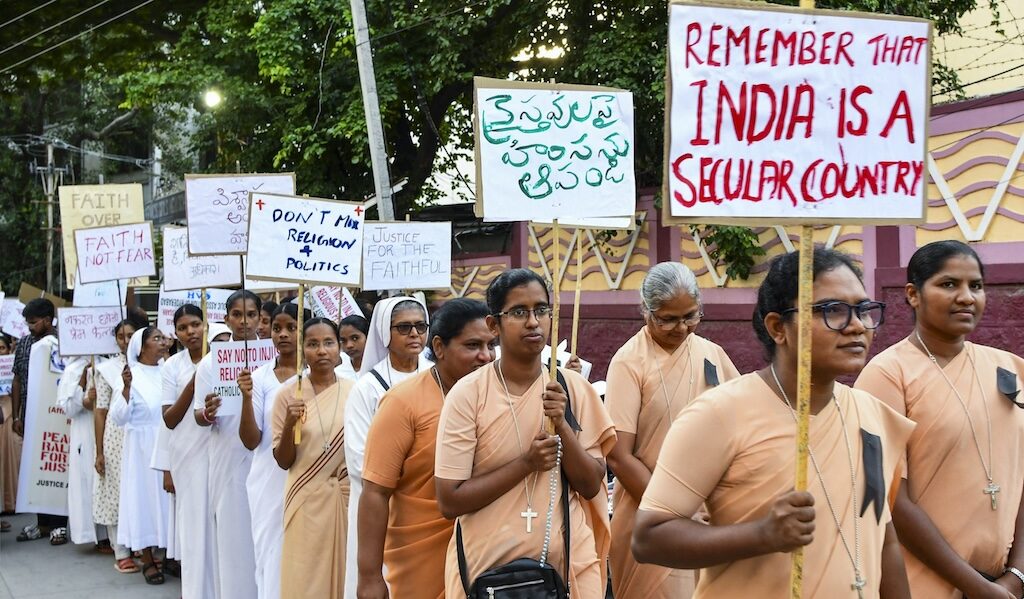
उत्तर प्रदेश के विश्वविद्यालयों, उच्च शिक्षण संस्थानों में स्थापित किए जाएंगे ‘धर्मांतरण-रोधी’ सेल
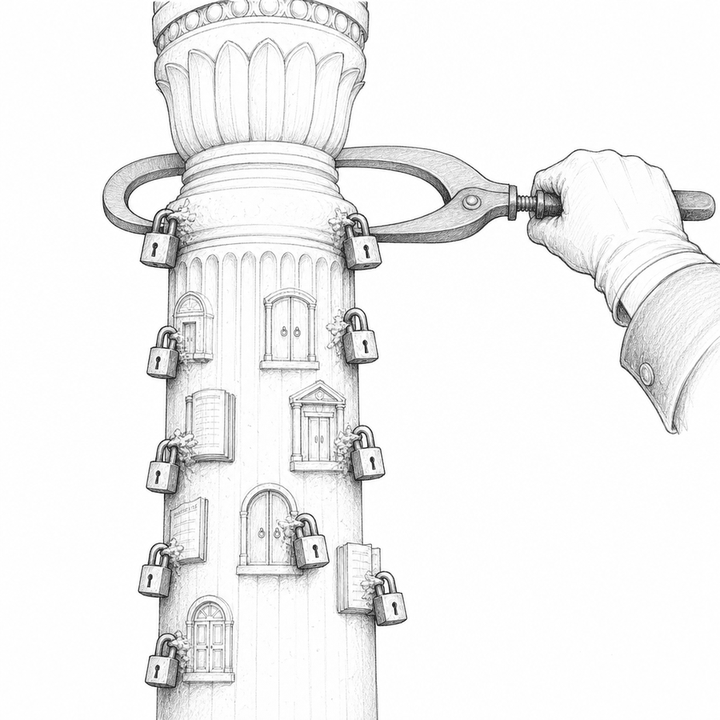
Uttar Pradesh wants anti-conversion cells inside universities and higher-education institutions, turning campuses into surveillance sites for religious boundary-policing. The policy recasts student persuasion, fear and inducement as administrative categories that can be monitored by institutional cells.
The letter further suggests that institutions organise lectures and seminars on “moral values, rational thinking, and legal rights.”
Wembanyama versus Trump. In de NBA-finales botsen twee soorten mannelijkheid
Victor Wembanyama’s public softness, tears and refusal of junk-food endorsement are set against Trumpian dominance masculinity around the NBA finals. Sport becomes a stage where two models of male authority compete: invulnerability as command, or discipline that can admit dependence and emotion.
A day later, Wembanyama stood before the cameras after practice. “PR tried, but I am not going to sit here and be politically correct,” he said. “Every day I wake up, I see the news, and I am appalled. I think it is insane that some people make it sound as if the killing of civilians is acceptable.”
The petrol station is treated as an object from a passing civilization: roadside modernity, car culture, fossil-fuel logistics and provincial memory compressed into one ordinary structure. Its disappearance marks not just an energy transition but the end of a social geography built around stops, attendants, highways and combustion.
La formula con cui concludono la loro analisi i due autori è che la stazione di servizio – che include il distributore, che ha pure una propria storia – diventa “uno spazio neutro, standardizzato” e proprio per questo indeterminato ed enigmatico.
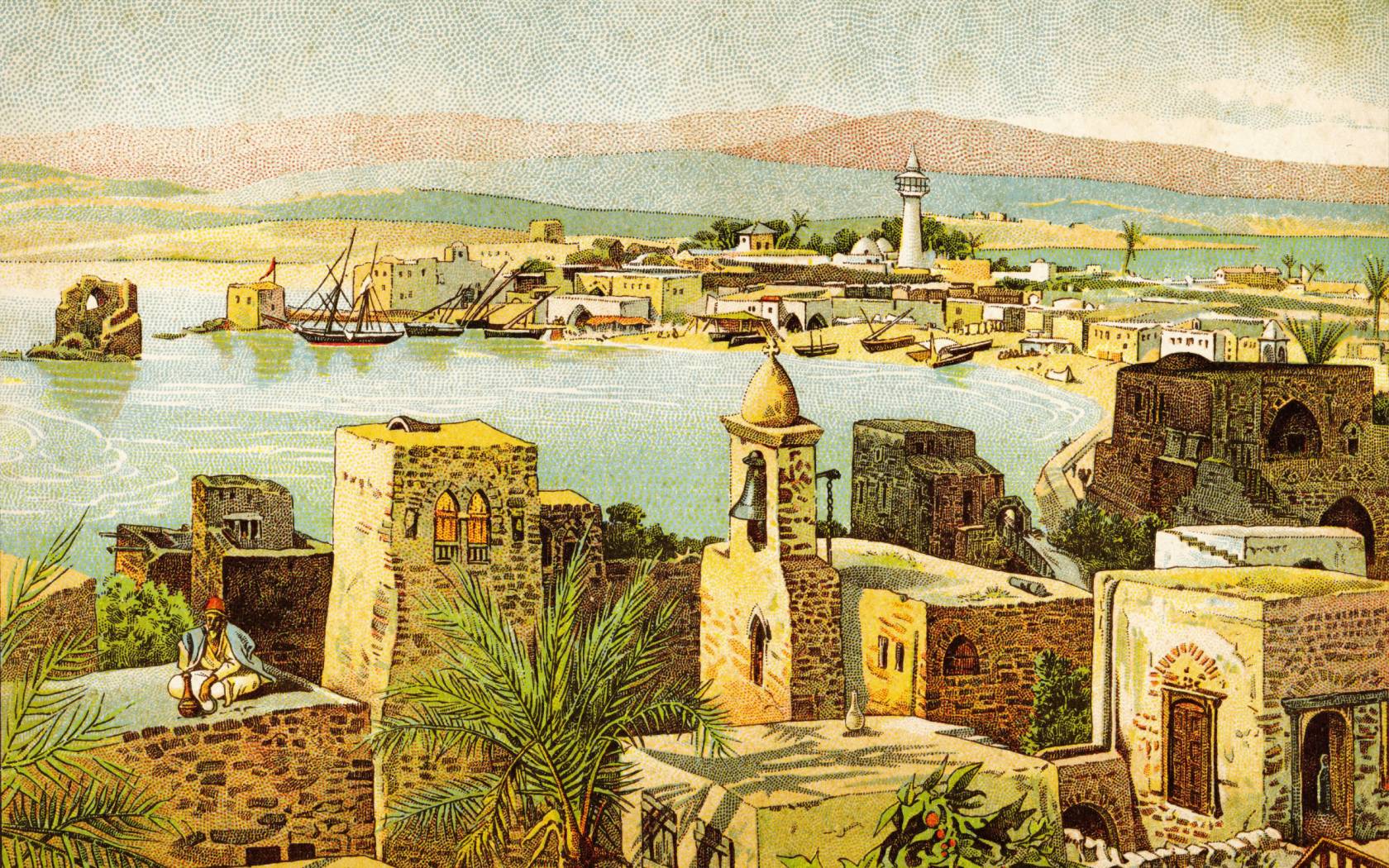
Tyre’s geography made it both fortress and connector: an island-city whose maritime position shaped Phoenician trade, imperial siegecraft and Mediterranean memory. The city’s long history is useful less as antiquarian scenery than as a case of how ports turn geography into political leverage.
The archaeology of South Lebanon has always been imperfectly understood; excavations at Tyre were only seriously begun in the 20th century, and the submerged quarter of the old island city has barely been touched. There is no telling what remains to be found.
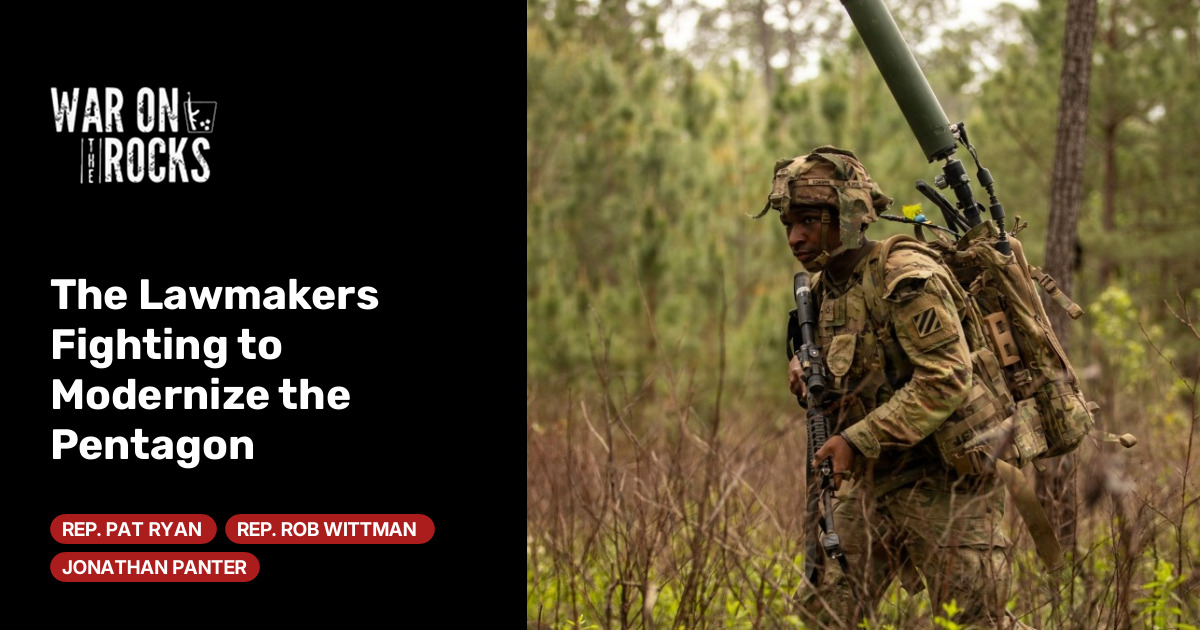
A bipartisan House caucus is trying to force Pentagon modernization through procurement reform, faster acquisition cycles and pressure on legacy defense bureaucracy. The institutional story is Congress as both bottleneck and possible accelerator: the same body that funds delay can rewrite the incentives around it.
Congress rarely moves fast, but Reps. Rob Wittman and Pat Ryan are trying to change that. The two lawmakers founded the bipartisan House Defense Modernization Caucus in 2024 and have driven reforms through two consecutive defense authorization acts, targeting acquisitions and other bottlenecks.
गौरी लंकेश की हत्या के लगभग नौ साल बाद केस की सुनवाई सातवें जज के पास पहुंची
Nearly nine years after Gauri Lankesh was murdered, the trial has moved to its seventh judge. The delay is not a procedural footnote: repeated transfers and slow hearings drain political murder cases of public force while the accused networks remain harder to map in court.
According to the Special Investigation Team, her murder was planned by hardline right-wing groups operating under the banner of the Sanatan Sanstha. The SIT says these groups had built an organized network, or syndicate, between 2013 and 2018 to kill and attack critics of Hindutva.
एयर इंडिया हादसा: सालभर बाद भी नहीं मालूम कि विमान के इंजन क्यों बंद हुए थे
A year after the Air India Ahmedabad crash killed 260 people, investigators still have not explained why the Boeing 787’s engines shut down seconds after takeoff. Families remain stuck between an unfinished technical inquiry and the practical fight for compensation.
A Reuters report published on Thursday, June 11, also confirms this claim. The report said investigators may delay issuing the final report, since analysis is still pending of the GE Aerospace-manufactured engines that have been at the center of the crash investigation. The accident, which took place on June 12, 2025, killed 260 people.
Translated from Hindi · yesterday · 7 min · Skim
Many Views
Many Views treats the World Cup as FIFA’s sovereign marketplace, where tickets, turf, heat, presidents and host cities all become part of the match.
Many tongues on one question
FIFA’s World Cup bargain
Dutch, Taiwanese and Arab reads converge on the World Cup as a political economy, not just a tournament. One sees Trump exploiting football while the game stays mute; another follows FIFA’s price, scheduling and host-city incentives; the third asks whether FIFA’s power can be justified at all when scandal keeps returning.
The expanded North American World Cup looks like FIFA at its most capitalist: player overload, dynamic ticket pricing and fiscal strain on host cities make the real winner harder to locate than the champion. The Reporter · Chinese
Recurring World Cup scandals reopen the basic question of what FIFA does, who can hold it to account, and whether the tournament still needs its governing machine. Africa Is a Country · Arabic
Deep Research
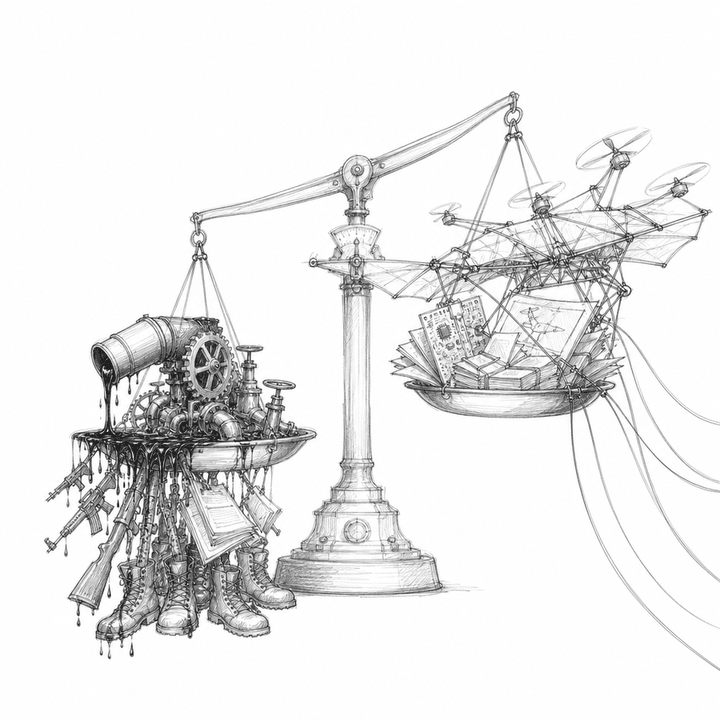
Deep Research stays with conversion systems under strain: oil into soldiers, proxies into regional costs, gold into Sudanese firepower, pledges into climate math, courts into Tunisian attrition, and antiquity into political inheritance.
One fault line, many vantages
The War Is Becoming a Test of Conversion Capacity
The Price of Turning
Russia is converting oil routes, Chinese-mediated imports, and peripheral poverty into weapons, contracts, and manpower, but each conversion is getting costlier. Ukraine’s counter-model is lighter: donor money, private manufacturers, battlefield feedback, and foreign joint ventures, powerful in drones and adaptation but still dependent on Western capital and imported systems.
Ру · Russian exile analytical project reading the manpower pipeline from regional budgets, recruiters, war bloggers and sociological traces.
Контракт сломался: падение притока контрактников для войны в Украине отражает системный сбой модели коммерческого найма
The Kremlin’s contract army works like a market transaction: pay poor regions enough, add death and injury compensation, and the state can avoid open mobilization. That transaction is decaying: recruitment is down roughly 20-25 percent, bonuses keep rising, coercion is spreading to detainees, conscripts and students, and service is now understood as indefinite, corrupt, dangerous and socially stigmatized. Re: Russia · Russian
Fr · French Russie/Eurasie school, with Marlène Laruelle on Russian society and political economy.
Military Keynesianism has pushed state money and prestige toward Russia’s peripheral poor: factory wages, enlistment pay, family compensation and symbolic status. It narrows some inequalities while draining public resources, feeding inflation, starving civilian sectors of labor and capital, and tightening Russia’s dependence on China. Ifri · French
En · Stockholm arms-production lens on Ukraine’s defense-industrial transformation.
Ukraine inherited a vast but incomplete Soviet arms base, left much of it unreformed after 2014, then rebuilt under fire after 2022 through relocation, private firms, Brave1, donor-financed procurement and foreign joint ventures. The new sector is innovative and diverse, especially in UAVs, but still not self-sufficient: Western weapons and money remain the floor under the system. SIPRI · English
De · German/EU policy shop treating sanctions, energy, China and inflation as one mechanism.
Sanctions have not sealed Russia off; they have rerouted the system. Oil moves through a shadow fleet to India and China, Chinese goods and dual-use technology keep entering, the renminbi settles more third-country trade, and military spending feeds a domestic boom that collides with labor scarcity, soldier-family payments and inflation. Stiftung Wissenschaft und Politik · German
One fault line, many vantages
After Proxy Deterrence, Who Absorbs the Cost?
Read together, these four pieces describe a regional order where military blows no longer translate cleanly into political settlement. Iran’s forward-defense system is being repriced, Israel’s war cabinet machinery still substitutes operations for policy, and the middle states are no longer spectators: they inherit the economic, security and public-opinion shocks of everyone else’s escalation.
ع · Arab regional systems view, Doha Institute; strong on Gulf/Arab mediator exposure and the state-proxy-collaborator triangle.
من الردع إلى إعادة التموضع: كيف تعيد الحرب على إيران تشكيل النظام الإقليمي وشبكات النفوذ في الشرق الأوسط؟
The old machine of indirect deterrence, limited strikes, proxy wars and gray-zone balances, no longer prices escalation reliably. US-Israeli force damages Iran without producing a stable postwar order; Iranian networks decentralize rather than simply collapse; Arab mediators absorb the security, economic and opinion costs of a war they did not choose. Arab Center for Research and Policy Studies / Doha Institute · Arabic
فا · Inside-Iranian analytical reading, from Iran Diplomacy; useful because it reconstructs intent from target selection rather than official American or Israeli language.
Mohsen Mahdizadeh codes wartime strikes from seven Persian Telegram news channels and finds a target pattern closer to war on Iran’s social infrastructure than to a narrow military or nuclear campaign. In his dataset, civilian and vital-infrastructure targets sit at the center of the attack pattern, and the final phase shifts even harder toward the systems that make daily life and government possible. Iranian Diplomacy · Persian
Tr · Turkish Iran-studies view, Ankara; reads Hezbollah as a structural dilemma inside Iranian strategy, not just as a proxy instrument.
Hezbollah has become both insurance and liability for Tehran. Losing it would shrink Iran’s deterrent and ideological reach; leaning on it too visibly drags Iran into direct Israeli attack and accelerates Lebanese pressure to disarm the organization. İRAM Center · Turkish
עב · Hebrew Israeli strategic-conservative view; valuable as an internal institutional diagnosis from a camp normally comfortable with hard power.
Israel’s repeated Gaza problem is not only intelligence failure or bad tactical doctrine; the civilian-security decision chain itself is underbuilt. A weak political echelon, an overdominant military planning apparatus, informal war forums and the absence of long-term national-security policy let operational plans replace political objectives. / Hashiloach · Hebrew
Many tongues on one storm
Sudan’s War Is a Gold Market With Front Lines
The useful frame is not “two generals.” Mines in Darfur, Kordofan and the Nile states feed smuggling corridors through Egypt, Chad and Libya; Dubai companies, property and gold desks turn that metal into hard currency, vehicles and political leverage. Follow the buyers and the ceasefire problem changes shape.
Fr · Francophone Swiss magazine carrying Sudanese/The Continent counter-framing; close to Sudanese explanatory voices, not Atlantic-world fatalism.
A Sudanese answer to the lazy “war for nothing” line: after South Sudan took most oil reserves in 2011, gold became the hard-currency engine; Jebel Amer made Hemedti’s network rich, and Dubai/Cairo routing became political infrastructure. The war is fragmented by gold, identity, farmland and rival social projects, not by meaninglessness. Heidi.news · French
En · US kleptocracy investigators working through UAE corporate records, sanctions trails and gold-company links.
Dubai is not just where bullion lands; it supplies corporate shells, gold companies, vehicle procurement and banking interfaces. Named businessmen and companies link western Sudan’s conflict gold to hard currency and Toyota technicals, making the RSF less a militia than a portable commercial-military network. The Sentry · English
What they said would happen
Paris Bent the Forecast, Not the Emissions Curve
Paris did not put emissions into reverse; it built a pledge-and-review machine that changed laws, investment plans and expectations while leaving fossil demand, finance and national political economy outside any hard enforcement brake. The predictions now split cleanly: Barack Obama’s December 2015 claim that Paris created an “enduring framework” mostly holds; Climate Action Tracker’s warning that existing policies meant roughly 3.6C has improved to about 2.6C; the “end of the fossil fuel era” claim from the Paris-night triumphalists was premature, with fossil CO2 at a record 38.1bn tonnes in 2025; James Hansen’s “no action, just promises” caught the non-binding weakness but missed the real policy and technology ratchet; China’s “around/before 2030” peak pledge is still not fully scored, because emissions remain below the early-2024 peak but rose again in early 2026 when grid rules wasted new wind and solar. ([time.com](https://time.com/4146900/paris-climate-deal-obama-president/)) The record is not success or failure but institutional asymmetry: warming projections fell by about 1C, while 2035 NDCs still leave emissions more than double the 1.5C-compatible level.
En · Climate Action Tracker’s global thermometer, from Climate Analytics/NewClimate Institute; strongest for pledge arithmetic and temperature scoring.
The core Paris scorecard: current-policy warming has fallen from about 3.6C in 2015 to about 2.6C, but almost nothing has moved since 2021. The 2035 pledges still imply 48-52 GtCO2e in 2035, against roughly 21 GtCO2e for a 1.5C path: the ratchet exists, but governments are not turning it. Climate Action Tracker · English
En · Global Carbon Budget, an annual scientific accounting project with 130-plus researchers, including CICERO/Oslo involvement.
The atmospheric score against the pledges: fossil CO2 reached 38.1bn tonnes in 2025, with coal, oil and gas all still rising. The mechanism is brutally simple: clean energy is growing, but not yet fast enough to outrun global energy demand; 35 countries have cut emissions while growing, but the aggregate curve has not broken. Global Carbon Budget · English
En · IDDRI/Deep Decarbonization Pathways network; Paris seen through national policy machinery rather than summit retrospection.
The institutional close-up: country experts across 21 economies find that Paris changed the grammar of national policy, from long-term strategies to climate governance and sector plans. The failure sits in implementation capacity, finance, and domestic political bargains, not simply in the treaty text. IDDRI / Deep Decarbonization Pathways Initiative · English
En · China emissions mechanics from Lauri Myllyvirta/CREA using Chinese statistical, customs and electricity data.
China is the hinge case for scoring Paris: emissions are still below the early-2024 peak, but Q1 2026 rose because the power system curtailed wind and solar while coal and gas generation increased. The issue is not only capacity buildout; coal contracts, provincial dispatch and grid flexibility decide whether China’s peak becomes real. ([carbonbrief.org](https://www.carbonbrief.org/analysis-chinas-co2-climbs-2-in-early-2026-due-to-wasted-wind-and-solar/)) Carbon Brief · English
After the cameras left
What Replaced Tunisia’s Democracy: Courts, Rationing, and Breathless Gabès
The 2021 power grab did not settle into a clean old-style dictatorship. It became a regime of attrition: courts and decree-law 54 make speech and association hazardous, economic “sovereignty” is paid for through domestic debt and shortages, and protest has moved from party politics into bodies, wages, water, migration routes, and poisoned air.
Fr · Tunisian rights and diaspora committee reading protest data and movement repertoires from the 2025 mobilizations.
By late 2025, protest no longer looked like party opposition: 1,316 actions in three months, mostly sit-ins, marches, roadblocks, strikes, and hunger strikes. The social front now joins repression, unemployment, water scarcity, blocked migration routes, and Gabès; the state answers with the same vocabulary of foreign plots and corrupt networks. CRLDHT · French
Fr · Rights-report vantage, strongest on courts, prisons, legal harassment, and the mechanics of repression from 2021 to 2025.
Tunisia’s reversal matured into an operating system: after dissolving counterpowers, the presidency uses anti-terror law, military justice, decree-law 54, and serial prosecutions against opponents, lawyers, journalists, judges, LGBTQ people, and migrant-support groups. The hard point is institutional, not temperamental: fear now does the work courts and pluralism used to resist. FIDH · French
ع · Tunisian political-economy analysis by Hamza Meddeb from the Malcolm Kerr-Carnegie Middle East Center.
Saied bought time by refusing the IMF route, keeping broad subsidies, and pushing the deficit onto local banks and the central bank. That protected the 2024 election season but turned sovereignty into rationing: shortages, inflation, crowded-out private credit, weaker public services, and a fiscal trap paid for hardest by the poor. Carnegie Endowment for International Peace · Arabic
A standing interest, freshly read
Who Gets to Inherit Antiquity?
Antiquity is not a storehouse of lessons; it is an operating system for institutions that need ancestry. These pieces track four places where the old world is being made to work now: European self-invention, decolonial field repair, Hungarian nation-making, and the American conservative university build-out.
En · Inside the Anglophone classics discipline, but against its inherited institutional grammar.
“Classics” appears less as a body of texts than as a sorting machine: maps erase Al-Quds, canons detach Greece from Islam and Africa, dictionaries straighten race, disability, and sexuality into modern prejudice. The useful move is not adding marginal figures to the old canon but breaking the knowledge procedures that made the canon look natural. Bryn Mawr Classical Review · English
En · A Hungarian reception history seen from a small-language culture between West, East, and its own origin myths.
Hungarian classicism has never been a simple copy of Western Europe. Greek and Latin culture alternately made Hungary legible as European, supplied a national epic, clashed with Hun and Scythian origin myths, survived both far-right and communist rule, and reappeared in brands, schoolrooms, translations, and modernist literature. Bryn Mawr Classical Review · English
En · US higher-education reporting; useful when read against the decolonial and European-identity pieces above.
Classical and civic education is becoming an American institutional workaround: legislatures and donors create free-standing centers with Homer, Plato, Christianity, and “great books” while ordinary humanities departments are cut. The same canon functions as conservative beachhead, jobs program for classicists, and open-ended seminar tradition that not only conservatives want. The Guardian · English